Want Diversity? Start Streaming.
Article by Denise Papas Meechan
Developmentally Edited by Alexandra Hidalgo
Copy Edited and Posted by Iliana Cosme-Brooks
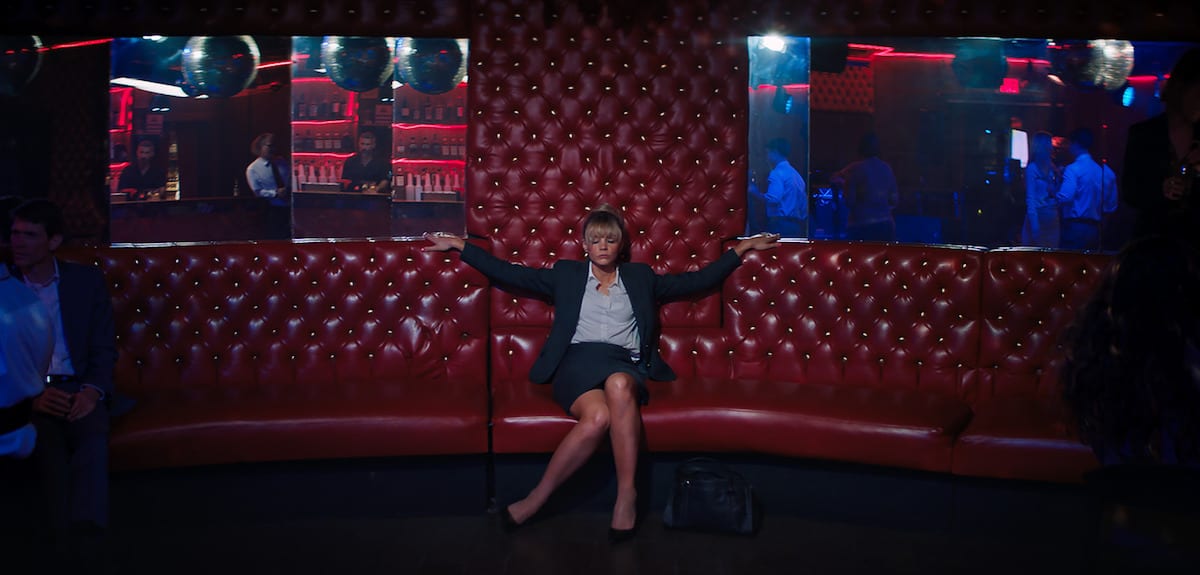
For the first time in its ninety-three-year award history, the Academy has nominated two women in the Best Director Category. Chloé Zhao has been nominated for Nomadland and Emerald Fennell for Promising Young Woman. They placed in the category alongside Lee Isaac Chung (Minari), Thomas Vinterberg (Another Round) and David Fincher (Mank). Zhao is also the first woman of Asian descent to ever pick up the nomination.

Prior to this year, only five women in the history of the Awards have ever been nominated for Best Director. They are Lina Wertmüller (1976) for Seven Beauties, Jane Campion (1993) for The Piano, Sofia Coppola (2003) for Lost in Translation, Kathryn Bigelow (2009) for The Hurt Locker, and Greta Gerwig (2017) for Lady Bird.
Zhao already picked up the Golden Globe for Best Director this year. It was three years ago, in 2018, when Natalie Portman presented that category at the awards show by declaring, “Here are the all-male nominees.” This year Zhao beat two women for the prize—Regina King for One Night in Miami and Emerald Fennell for Promising Young Woman along with two men—Aaron Sorkinfor The Trail of The Chicago 7 and David Fincher for Mank.
The new diversity in nominations may have to do with the fact that the Academy of Motion Picture Arts and Sciences have made an exerted effort to be more inclusive when inviting artists into the academy. Since 2018, they sent out 819 invitations to creators like Awkwafina, Zendaya, Ryan Murphy, Cynthia Erivo, Kaitlyn Dever, Constance Wu, Florence Pugh, and Olivia Wilde, to name a few of the more recognizable people. Of the new invitees, 36% were people of color, 45% are women and 49% are based outside of the United States.[1]
Part of the Academy’s new inclusion program also involved setting up criteria—beginning in 2024—that would only allow a film to be nominated if it met certain requirements. They laid out four elements, two of which must be met in regard to “underrepresented” populations—“underrepresented” in this case is defined as “women, people of color, and those from the LGBTQ+ or differently-abled communities”.
The four elements that set the standard include that one or more people from underrepresented groups must either be A) featured as the lead actor or part of an ensemble; B) working behind the scenes; C) have been offered paid internships; and D) be one of “multiple senior executives” on the project.[2]
This seems like a groundbreaking initiative, yet the past fifteen years of Best Picture Winners were analyzed by The Washington Post to see if they would still have been able to qualify. If most previous winners would easily pass these new criteria, that would mean that these new standards are not rigorous enough to improve behavior—they would only keep the bar at the existing state of play when it comes to gender and racial inclusion.
The Washington Post found that more than 70% of past Oscar-winning films would still have qualified—even if these new conditions were required of them. Ways that filmmakers could worm their way through these new criteria are evident in how these films would have been able to qualify if the criteria had been in place when they were nominated.
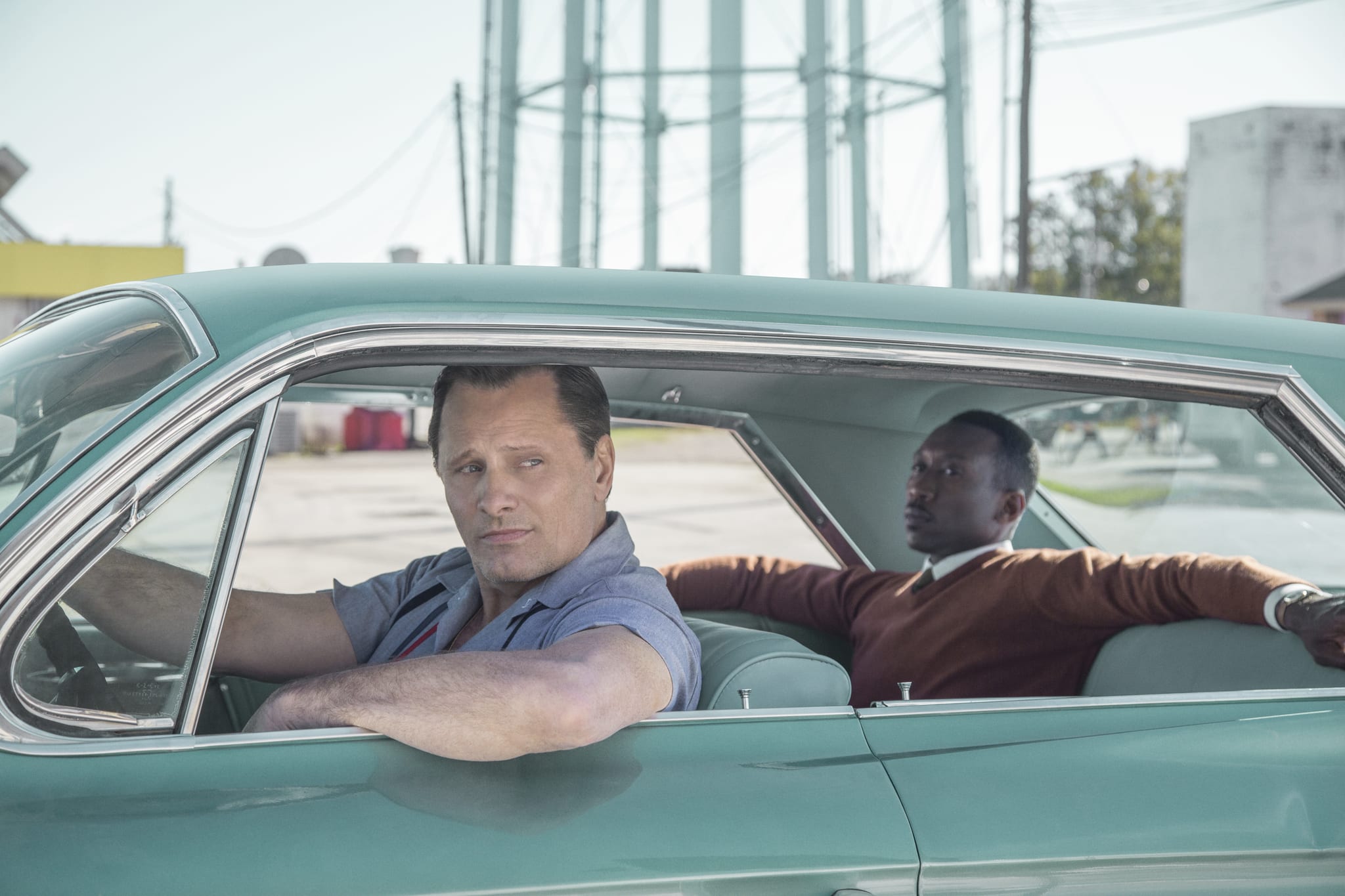
For instance, filmmakers of Spotlight (2016)—about the Boston Globe’s investigation of sexual abuse in the Roman Catholic Church—could argue that sexual assault victims could be considered an underrepresented group. Also, the primarily white executives behind Green Book (2019)—about a Black jazz pianist and his Italian-American driver—could argue their film meets the standards since (only) the composer, Kris Bowers, is Black[3].
If these new criteria don’t push filmmakers to increase the number of women and minorities they cast and hire, then we are forced to remain wallowing in the status quo. Underrepresented groups will still be practically unseen, and the same white male POV will overpower the majority of our content. So, if women and minorities will still be undervalued in the movie industry, even with the new criteria imposed, where can one go that treats these groups—if not equally—at least with more respect? With more people staying in and streaming content rather than going to the movies, one would assume that streaming services would better represent the world we live in.
In order to investigate its own performance in terms of inclusion, Netflix commissioned The Annenberg Inclusion Initiative to study their US original, live-action films and series from 2018-2019. While the findings conclude that women and minorities are far from equally portrayed on the small screen, they do seem to be a bit more visible in front of and behind the scenes of the streaming screen.
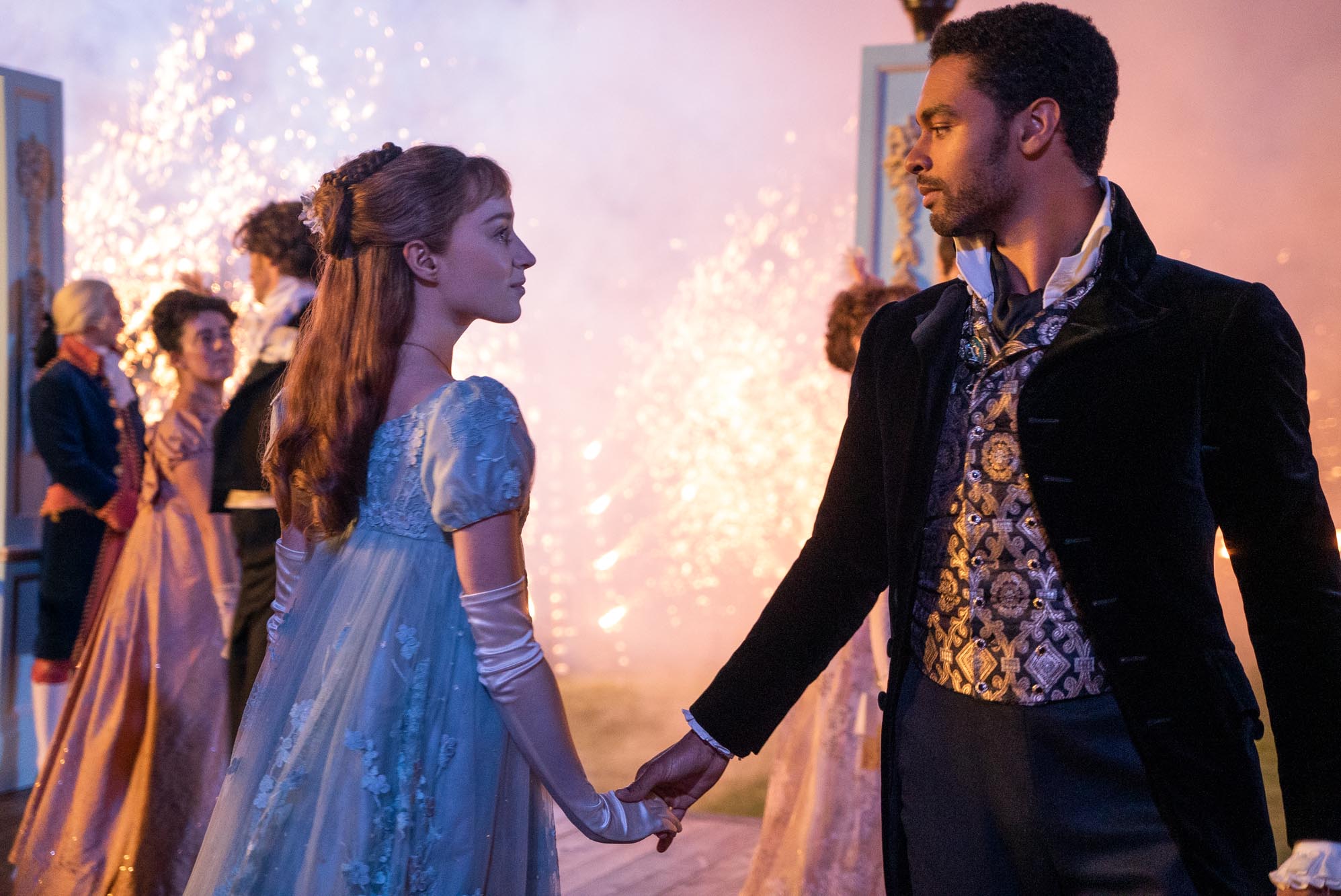
Speaking roles of women and minorities in film vs Netflix’s content is one area of the study. They found that women received 28% of those roles in film, compared to 38% in Netflix’s content. Minorities were given 26.7% and 29.4% of those roles, respectively.
During that time period, 23% of Netflix movies were directed by women, which more than triples the 7.6% of top-grossing box office movies but is still very far from half. If you’re looking at women of color, those numbers are even more anemic across the board—only 6.2% of Netflix films were directed by women of color compared to 2.2% films at the box office.
Representation by race on all streaming platforms gives a more complete outlook of the world when compared with the nation’s population, but it too needs to improve to catch up with the reality of viewers’ racial makeup.
The report found that the percentage of Black actors in leading roles on streaming services exceeded that of the U.S. population. But only 4% of leading roles in movies and 1.7% in TV series were filled by Latinx actors—way below the 12% that Latinx people represent in the US population. And Asian actors appeared in just 1.7% of leading roles in Netflix films and TV series, compared with being 7% of the population. Appearances by LGBTQ+ people and characters with disabilities were also very rare.
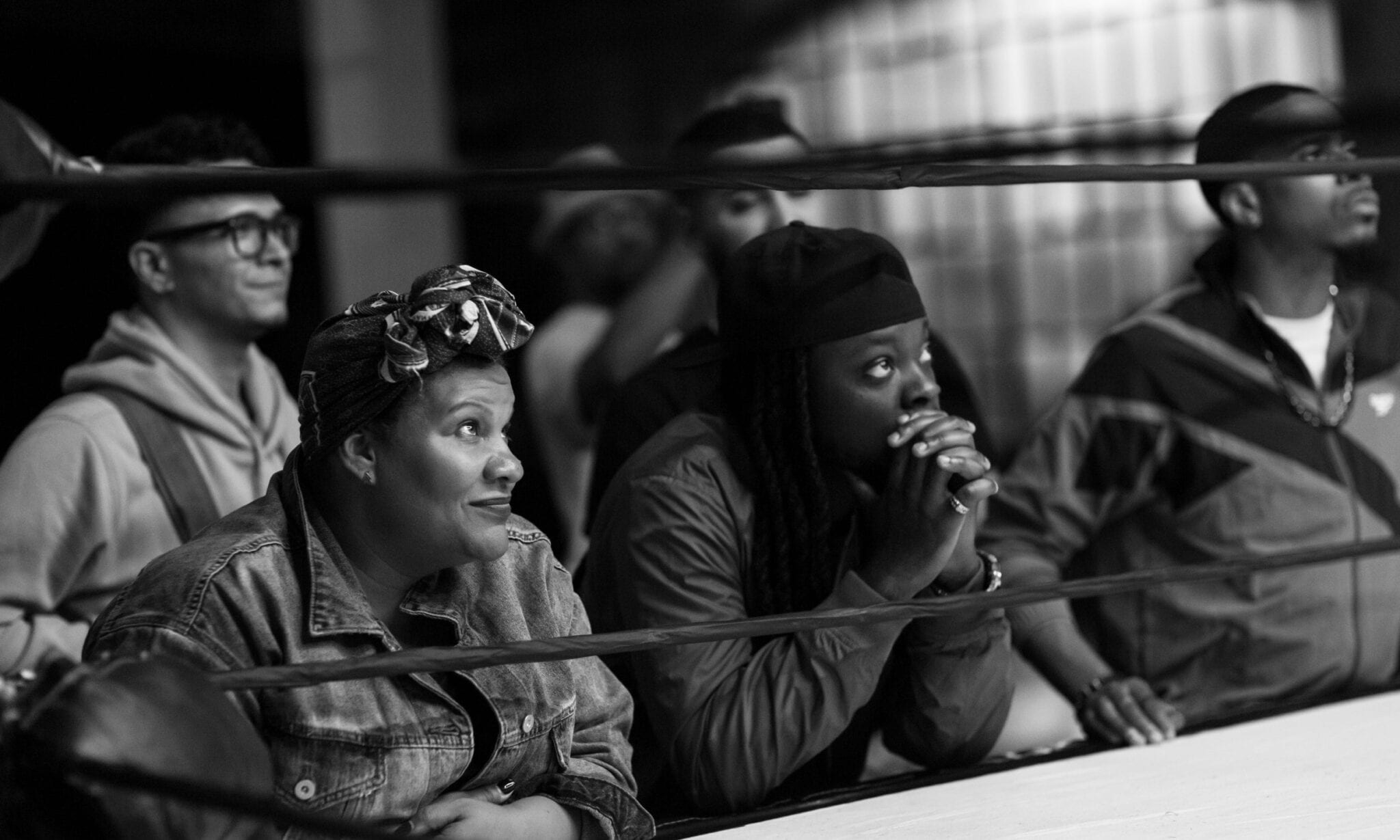
Overall, 19 of 22 measures examined by the researchers improved from 2018 to 2019. And even though diversity onscreen is improving, everyone—Hollywood studios, streaming studios, and network and cable television—should be trying to do a lot better. Although Netflix only studied its own content in regard to inclusion, all streaming services can learn that a deep dive into their content’s makeup could be profitable.
With more than 90% of American viewers currently subscribed to a paid streaming video service, (5) Netflix, Amazon, and Hulu may have to cater to a new kind of customer. Hulu recently conducted its own Generation Stream study (6) which found that the majority of Gen Z Hulu viewers watched content described as “nontraditional”—programs that represented a variety of cultures with a focus on political and cultural issues. It seems that diversity is what viewers want to see.
The film industry is one of the most impactful creative mediums we have, as it both reflects and shapes our society and culture. Seeing yourself represented on screen is important for self-esteem and feeling accepted and seen. It can also reduce bigotry, as bigotry stems from isolation. People fear what—and who—they don’t know. By representing all cultures that exist in our communities, the media can lessen the “stranger danger” mentality of viewers that would normally alienate their minority neighbors. Characters become friends and heroes to the fans and seeing different colors and genders on screen breeds familiarity and kills the fear of the unknown.
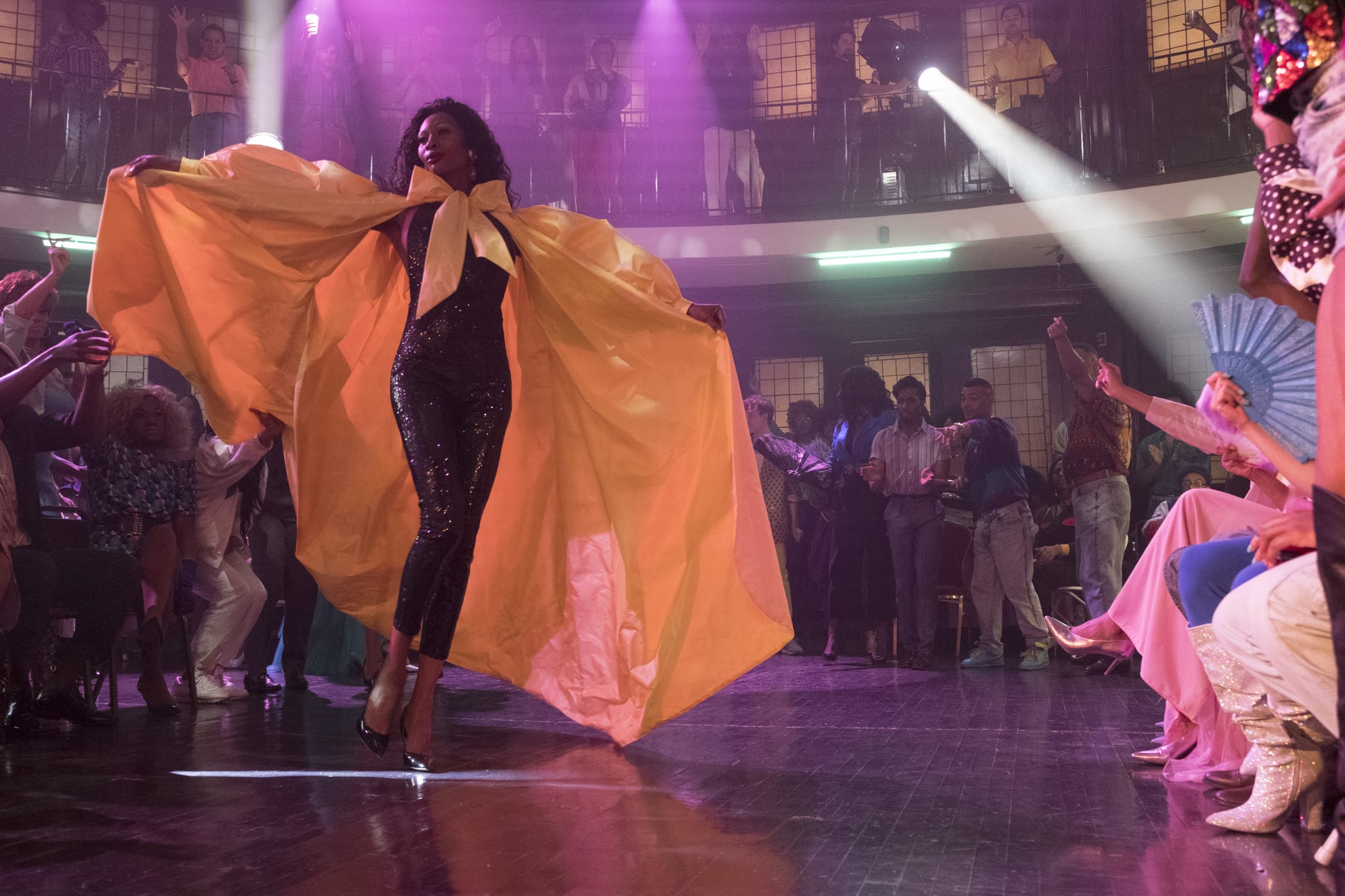
Diversity in film—behind and in front of the camera—is crucial in our attempt to represent the world as it truly is. As more films and TV shows break the mold and offer a more represented filmmaking population on and off screen, we may finally eliminate the underdeveloped and stereotyped characters that crowd our screens and watch content that is rich, visionary, and universally relatable.
To connect with Denise, check out her profile.
[1] Scott Feinberg. “Film Academy Invites 819 New Members, with 36 Percent People of Color”, The Hollywood Reporter. June 30,2020.
[2] Steven Zeitchik. “Most Recent Best Picture Winners would have met new Oscar Diversity Requirements”, The Washington Post. Sept 9, 2020
[3] Steven Zeitchik. “Most Recent Best Picture Winners would have met new Oscar Diversity Requirements”, The Washington Post. Sept 9, 2020
[4] Stacy L. Smith, PhD. “Annenberg Inclusion Initiative releases Study of Representation in Netflix Original Productions”, USC Annenberg, February 26, 2021.
(5) Todd Spangler, :Streaming accounts for 19% of Total TV Viewing”, Variety, February 11, 2020
(6) Zoe Christen Jones, “New Hulu Study Finds Out What Gen Z Is Watching and Why”, Forbes, September 28, 2020.