Finding Your Real and Metaphorical Sisters: Our Favorite Films and TV Shows that Celebrate the Sisterly Bond
Written by Mimi Anagli, Kara Headley, Alexandra Hidalgo, and Allison Simpson
Developmentally Edited by Alexandra Hidalgo
Copy Edited and Posted by Iliana Cosme-Brooks
In order to commemorate Women’s History Month, we asked our readers what fiction films, TV shows, and documentaries best exemplify the power of real and metaphorical sisterhood for them. Join us in celebrating these joyous, knotty, messy, and ever-evolving relationships between women as you watch these sisters change themselves, each other, and the world, all while navigating their love for each other. Whether you have a sister, beloved friend, or mentor to watch alongside you (in person or over Zoom), put on something marvelous or comfy and get lost in these worlds as the sisterly love radiates all over your screen. Share your reactions after watching and tell us if we missed some of your favorites on our Twitter, @agnesfilms, and our Instagram, @agnes.films.
Films

Little Women (2019), dir. Greta Gerwig
By Mimi Anagli
The March sisters are arguably the most acclaimed and authentic embodiment of sisterhood the last 150 years has seen. Their story began in 1868 with Louisa May Alcott’s famed novel Little Women. With countless film and TV adaptations, Jo, Meg, Beth, and Amy’s journey of navigating womanhood and finding independence in a patriarchal society has withstood the ultimate test of time. The most recent film adaptation, directed by Greta Gerwig, portrays the March sisters in a more contemporary light that young women of today can relate to. The film centers around four sisters (played by Saoirse Ronan, Emma Watson, Eliza Scanlen, and Florence Pugh) from Connecticut who are raised by their mother Marmee (Laura Dern) while their father is off fighting in the Civil War. Gerwig’s nonlinear telling of the story rhythmically compares the sisters’ impoverished-yet-spirited childhood to their individual, sobering steps into womanhood. As the realization that marriage and compliance is the only thing that society expects from women begins to dawn on the sisters, Jo (Saoirse Ronan), the second oldest, boldly fights for her personal and professional independence. Before Gerwig’s take on this classic story, I had never seen a depiction of sisterhood that captured the dynamic between sisters so accurately. As the youngest of four, I have an inseparable relationship with my sister. The love, trust, and candor in our sisterhood is incomparable to any other relationship I have, but I’d be lying if I said it didn’t get ugly at times. Anyone who has a sister knows exactly what I mean when I say that lines are crossed that, in any other context than a sisterhood, could not be uncrossed. In Gerwig’s Little Women, Amy (Florence Pugh), the youngest, burns Jo’s book manuscript in a fit of rage. Set in the 1860s, Amy couldn’t just “Control+Z” her way out of this mistake. As the youngest, I relate to those impulsive attention-seeking acts that you immediately regret. I can also relate to the betrayal, fury, and hatred that Jo undoubtedly felt and then had to get over. This complicated dynamic between sisters is hard to put into words, let alone an entire movie, and yet Gerwig manages to hit it right on the nail. She perfectly demonstrates how, as a woman, a sister is like an extension of yourself, and no matter how tempestuous it can get, you get over the emotions and forgive them because the feeling of losing them would be much worse. Little Women is available to stream with Hulu and Amazon Prime premium subscriptions.

Mamma Mia! (2008), dir. Phyllida Lloyd
By Kara Headley
A good friend of mine, Ashley, is getting married in October, and I’m in her bridal party. I am not kidding when I say that every time we get together to plan wedding stuff, we listen to ABBA or the Mamma Mia! soundtrack. When planning the bachelorette party, the maid-of-honor joked that we should reenact the bachelorette party scene from Mamma Mia!. We picked out the characters we would each be, naturally assigning Ashley the role of the bride, Sophie (Amanda Seyfried).
In the ABBA movie-musical Mamma Mia!, Sophie has spent her entire life not knowing who her father is, until she finds her mother’s journal, which details the three potential men he might be. She decides to invite all three of them to the wedding, in hopes of figuring out which one is her dad so he can walk her down the aisle. She attempts to hide the potential-fathers from her mother, Donna (Meryl Streep), with the help of her bridesmaids, Lisa (Rachel McDowall) and Ali (Ashley Lilley). Donna inevitably finds out and must keep the wedding—and herself—from exploding from the drama that ensues, with the help of her life-long friends, Tanya (Christine Baranski) and Rosie (Julie Walters). Sisterhood is a strong theme in Mamma Mia!, as the women in the film support each other through the life-changing events that result from Sophie’s invitation. For me, the scene where Donna is crying in a public restroom after seeing her three former flames and Tanya stands on Rosie’s back to look over the stall, singing the opening lines of “Chiquitita,” exemplifies the bond between these three women and how they literally stand on each other’s shoulders to support one another. Tanya and Rosie seem to know just what to do to help Donna feel better. It’s the messy kind of emotional moment that is only shared between friends. It’s these moments of emotional support that draw my friends and me back to the film as we get ready for Ashley’s wedding. Also, it’s hard to stay away from this film with its catchy soundtrack, infectious humor, and touching friendships. If I have to sing ABBA to my friend on the day of her wedding to help her celebrate this emotional day, by god you know I’ll do it. Mamma Mia! is available to rent on Amazon Prime Video.
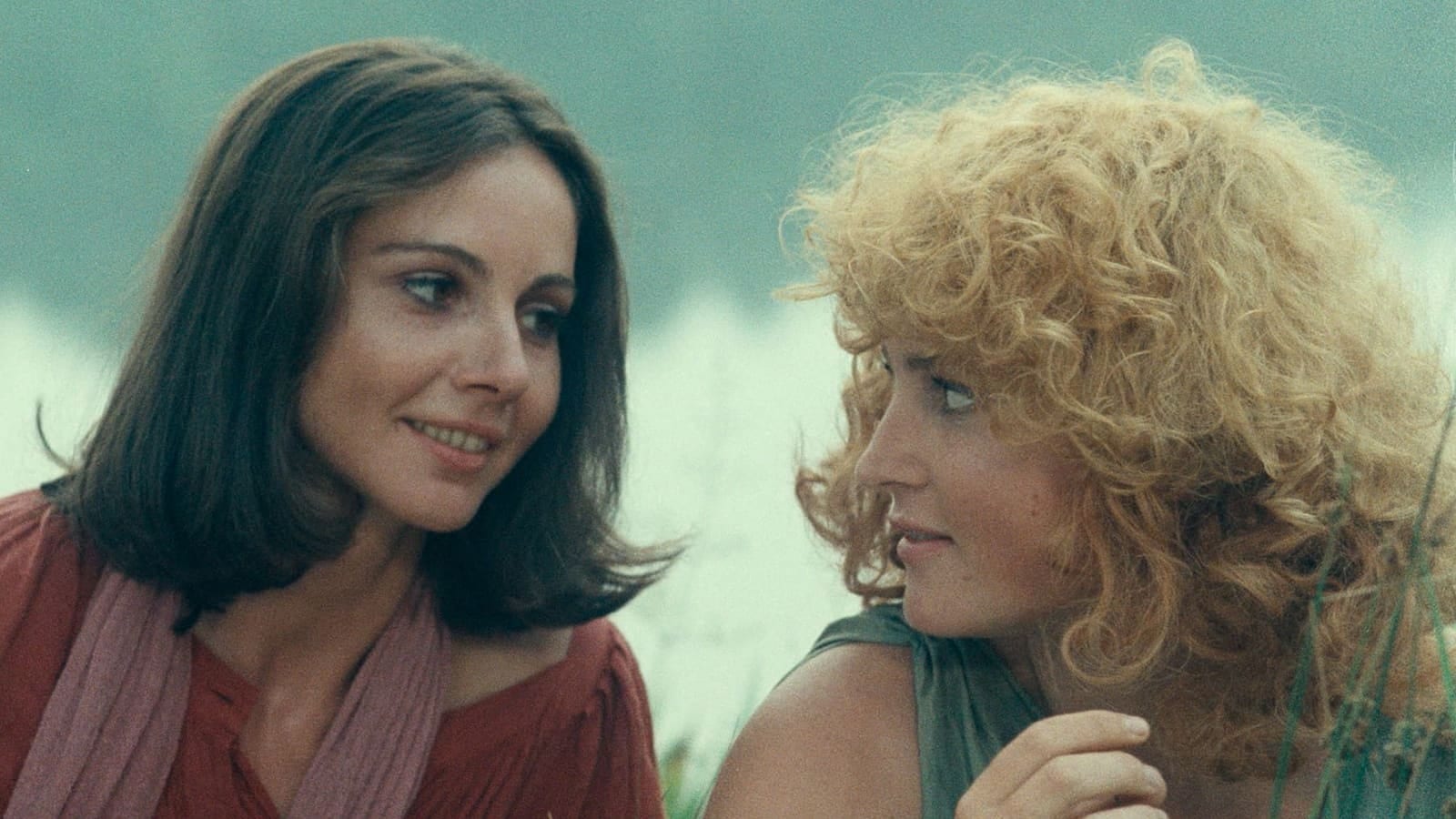
One Sings, the Other Doesn’t (1977), dir. Agnès Varda
By Alexandra Hidalgo
To a woman who, like me, grew up without sisters, there is a mystery to that mythical bond that we explore through the kind of friendships that last decades, as we help each other weather the endless parade of complications that result from being alive and trying to figure out who we are, and who we want to become. Agnès Varda’s One Sings, the Other Doesn’t is a glorious example of how the bond between two women who love and support each other, even though they are not related by blood, can be exactly what we need to find our way through life. When we meet them as teenagers, Pauline (Valérie Mairesse) is taken by the memory of Suzanne (Thérèse Liotard) whom she knew at school but who, rumor has it, has brought shame on her family. As Pauline learns after seeking Suzanne out, those hard times involve falling for a married photographer and bearing his children out of wedlock, all while she tries to navigate her love for him and their offspring. Instead of judging Suzanne as everyone around her does, Pauline sets out to help this young mother, a gesture Suzanne reciprocates as the two friends age and deal with navigating love, motherhood, feminist activism, and discovering who they want to become and how to be there for each other while making those dreams come true. Shot with the optimism of the Second Wave of feminism’s most delirious gender equality dreams and featuring quirky musical numbers from Pauline’s band of feminist troubadours, One Sings reminds us that there is no limit for women when they’re there for each other—no matter how elaborate their goals or how towering the obstacles before them. You can find One Sings, the Other Doesn’t available to streamon The Criterion Channel, for rent on Amazon Prime Video, or for physical purchase via The Criterion Collection.
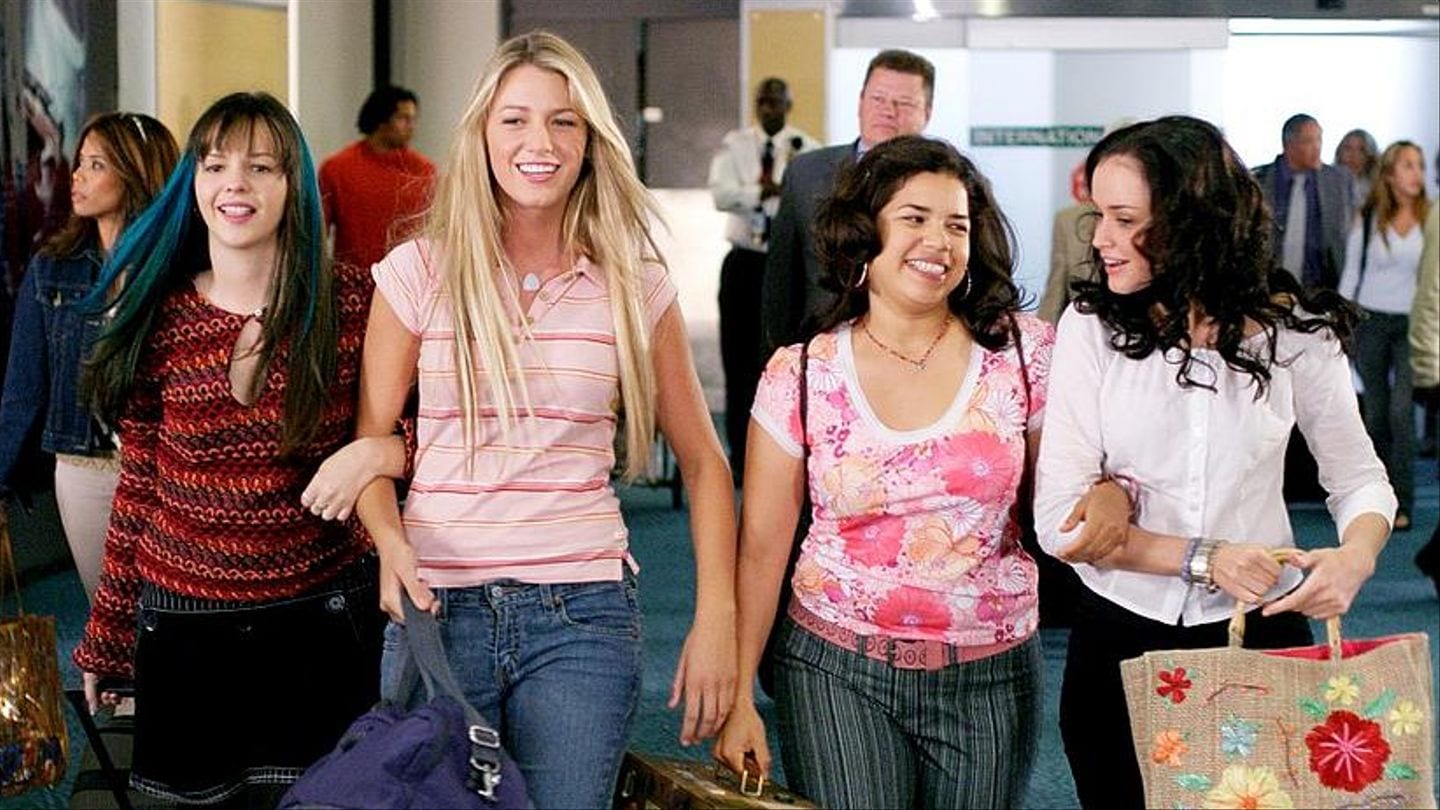
The Sisterhood of the Traveling Pants (2005), dir. Ken Kwapis
By Mimi Anagli
The Sisterhood of the Traveling Pants was my first introduction to four inspiring women in film whose work I have admired for years. While their careers have been an example of the great feats women can accomplish in film, Alexis Bledel, America Ferrera, Blake Lively, and Amber Tamblyn’s performances in The Sisterhood of the Traveling Pants showed me at a young age the value that female friendship holds. The film follows four friends, Lena (Bledel), Tibby (Tamblyn), Carmen (Ferrera), and Bridget (Lively), who are sisters in almost every sense of the word. Although they are not technically related, they have been joined at the hip ever since their mothers met at a prenatal class. These girls have been with each other through every hurdle and milestone. During one summer when they can’t be there for each other, they rely on a pair of jeans that mysteriously fits them all perfectly to keep them united during their individual journeys. The jeans travel around the globe while Lena spends the summer in Greece visiting her grandparents, Bridget goes to Mexico for a soccer camp, Carmen visits South Carolina to see her dad, and Tibby works at a local convenience store making a documentary and envying her friends’ more exciting summer adventures. The magic of the jeans leads each of them down a path of new experiences and self-discovery. When I watched the film in the early 2000s I loved the story at face value. I was a kid enamored by the travel, romance, and strong female characters. Watching the film now in my 20s, I’ve grown to love the story for additional reasons. When you’re young, friendships are easy. Our friends have often gone through similar experiences and only live a short walk or car ride away. As we grow up, we slowly realize that people change, and what once seemed infinite becomes harder and harder to maintain. Lena, Tibby, Carmen, and Bridget are in this phase of their lives where they are learning who they are apart from each other and are starting to see more differences than similarities. For some, this distance can mean the end of a friendship. For them, it’s only a hurdle revealing that their love for each other—their sisterhood—can endure any obstacle. The Sisterhood of the Traveling Pants is available to stream on HBO Max.
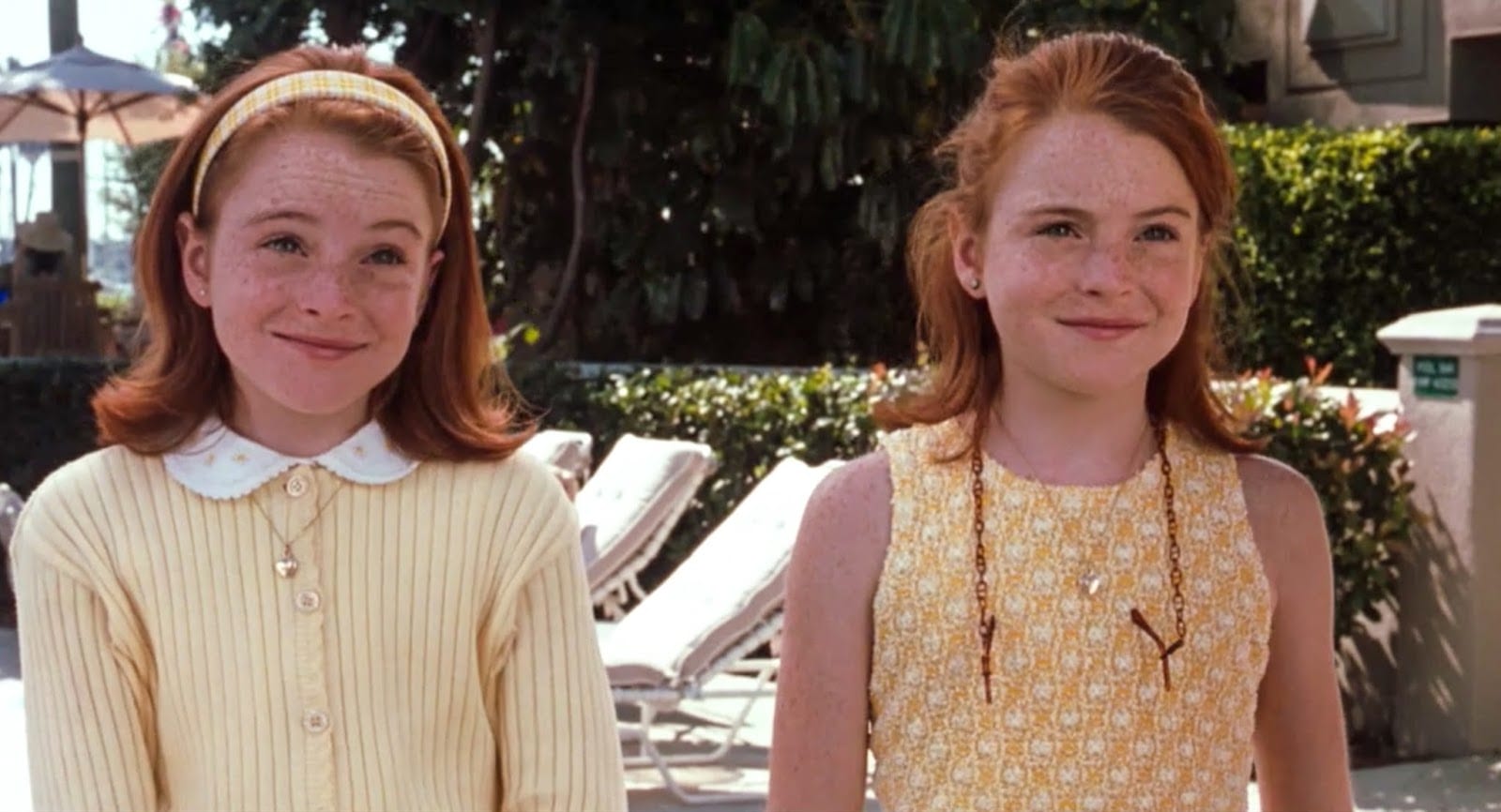
The Parent Trap (1998), dir. Nancy Meyers
By Kara Headley
A common fantasy among young kids is wondering, “What if my family isn’t my family?” Maybe that means you’re secretly a prince/princess à la The Princess Diaries, or you have a sibling you’ve never met, like in The Parent Trap. Born from this film, I personally had an imaginary friend who was my secret twin (her name was Cara, and she was evil—I admit it was an odd choice). The Parent Trap stars Lindsay Lohan as both Annie James and Hallie Parker, a set of twins separated at birth when their parents split up. When the twins accidentally meet at summer camp, they dislike one another and even have a sort of rivalry. They don’t realize they’re sisters until they discover they each have half a photograph of their parents together. Each sister has only met one of their parents—Annie lives in America with their father and Hallie in England with their mother. The twins decide to reconcile their differences, with the plan to learn how to imitate the other so they can swap places and get to know their other parent. Watching the sisters transform one another—physically by getting matching haircuts and pierced ears, and emotionally as they learn how to accept their differences, and how said differences can make them stronger—is my favorite part of the film. I particularly love when Annie teaches Hallie the secret handshake she shares with her butler. When they perfect it, it’s the first time they really feel like sisters—like a bond has been forged through a summer of learning and growing together. At the end of the summer, Hallie goes to Annie’s home and Annie to Hallie’s. To find out what happens next, well, you’ll just have to watch the film. The Parent Trap is a heartwarming story about how sisterly and familial bonds can form, even after a decade apart. If you too had a Cara or an imaginary friend growing up, this film will resonate with your inner child. The Parent Trap is available to stream on Disney+ or rent on Amazon Prime Video.
- A League of Their Own (1992), dir. Penny Marshall
- The Babadook (2014), dir. Jennifer Kent
- Beaches (1988), dir. Garry Marshall
- Bend it Like Beckham (2002), dir. Gurinder Chadha
- Birds of Prey (2020), dir. Cathy Yan
- Booksmart (2019), dir. Olivia Wilde
- Bridesmaids (2011), dir. Paul Feig
- Captain Marvel (2019), dir. Anna Boden and Ryan Fleck
- Charlie’s Angels (2000), dir. McG
- Charlie’s Angels (2019), dir. Elizabeth Banks
- Charlie’s Angels: Full Throttle (2003), dir. McG
- Cinderella 3: A Twist in Time (2007), dir. Frank Nissen
- Divine Secrets of the Ya-Ya Sisterhood (2002), dir. Callie Khouri
- Fried Green Tomatoes (1991), dir. Jon Avnet
- Frozen (2013), dir. Jennifer Lee and Chris Buck
- Frozen II (2019), dir. Jennifer Lee and Chris Buck
- Ghostbusters (2016), dir. Paul Feig
- The Help (2011), dir. Tate Taylor
- Hidden Figures (2016), dir. Theodore Melfi
- Hustlers (2019), dir. Lorene Scafaria
- Jeanne Dielman, 23, quai du commerce, 1080 Bruxelles (1975), dir. Chantal Akerman
- The Kitchen (2019), dir. Andrea Berloff
- Lady Bird (2017), dir. Greta Gerwig
- Late Night (2019), dir. Nisha Ganatra
- Mamma Mia! Here We Go Again (2018), dir. Ol Parker
- Mean Girls (2004), dir. Mark Waters
- My Neighbor Totoro (1988), dir. Hayao Miyazaki
- Ocean’s 8 (2018), dir. Gary Ross
- Pitch Perfect (2012), dir. Jason Moore
- The Princess Protection Program (2009), dir. Allison Liddi-Brown
- Rabbit-Proof Fence (2002), dir. Phillip Noyce
- Real Women Have Curves (2002), dir. Patricia Cardoso
- Roma (2018), dir. Alfonso Cuarón
- Sex and the City (2008), dir. Michael Patrick King
- Sisters (2015), dir. Jason Moore
- Steel Magnolias (1989), dir. Herbert Ross
- Sweet Bananas (1973), dir. Ariel Dougherty
- Thelma & Louise (1991), dir. Ridley Scott
- To All the Boys I’ve Loved Before (2018), dir. Susan Johnson
- Twitches (2005), dir. Stuart Gillard
TV Shows
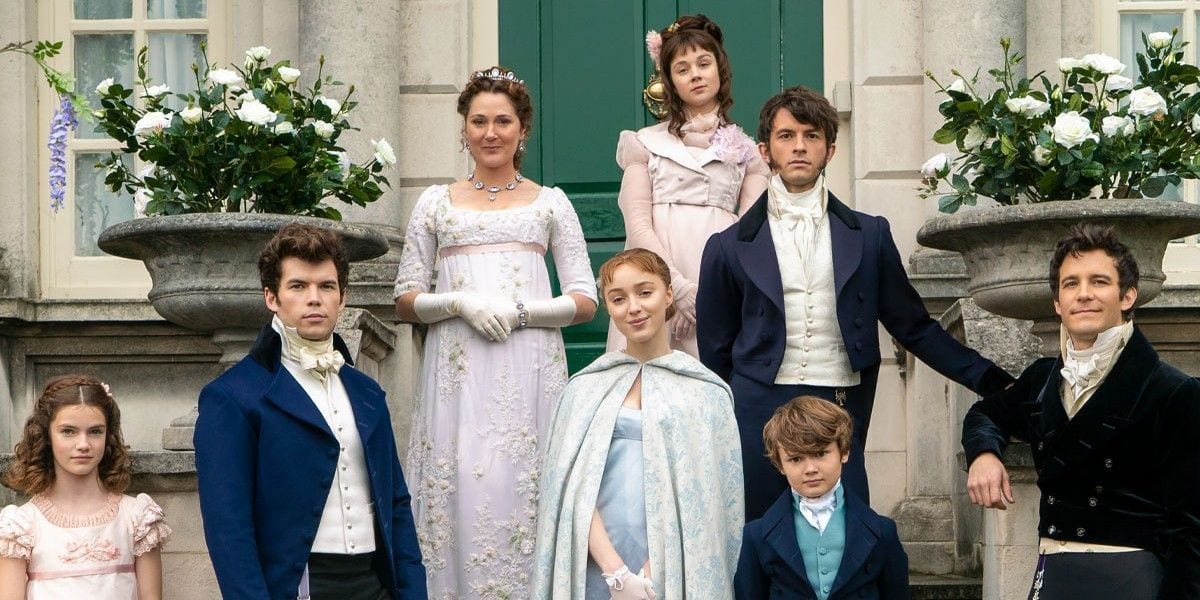
Bridgerton (2020-Present), created by Chris Van Dusen
By Mimi Anagli
It’s no secret that Shondaland’s Bridgerton has stolen the hearts of many around the world. With 82 million viewers, the record-breaking period drama is by far Netflix’s biggest series and has become a noteworthy event in TV history. You have probably already heard about the show, if not seen it once already—or twice if you’re my mom—but if you haven’t been swept away by the strong current that is Bridgerton, allow me to catch you up. The eight-episode series is centered around the Bridgerton family and their eight children. Set in the Regency era, the young women in the show are expected to participate in the practices and traditions of courtship, creating a vexing dynamic where women are conditioned to see each other as competition. Daphne (Phoebe Dynevor), the eldest of the four Bridgerton daughters, is in the midst of this patriarchal ritual and is faced with the pressure of being an example to her younger sisters and the decision between pursuing a meritable social status and true love. Instead of seeing a division between the women and sisters in Bridgerton, the audience is confronted with solidarity and support. Because in this delightful Shondaland world, even when society tells women that acquiring a husband is the only valuable thing in life, the power of sisterhood prevails. Having almost immediately been renewed for a second season, Bridgerton is an outstanding show. If you love intense romance, gripping mystery, and old English syntax, then I’d encourage you to watch the series—and in the spirit of the Bridgerton sisters, make haste in doing so. Bridgerton is available to stream on Netflix.
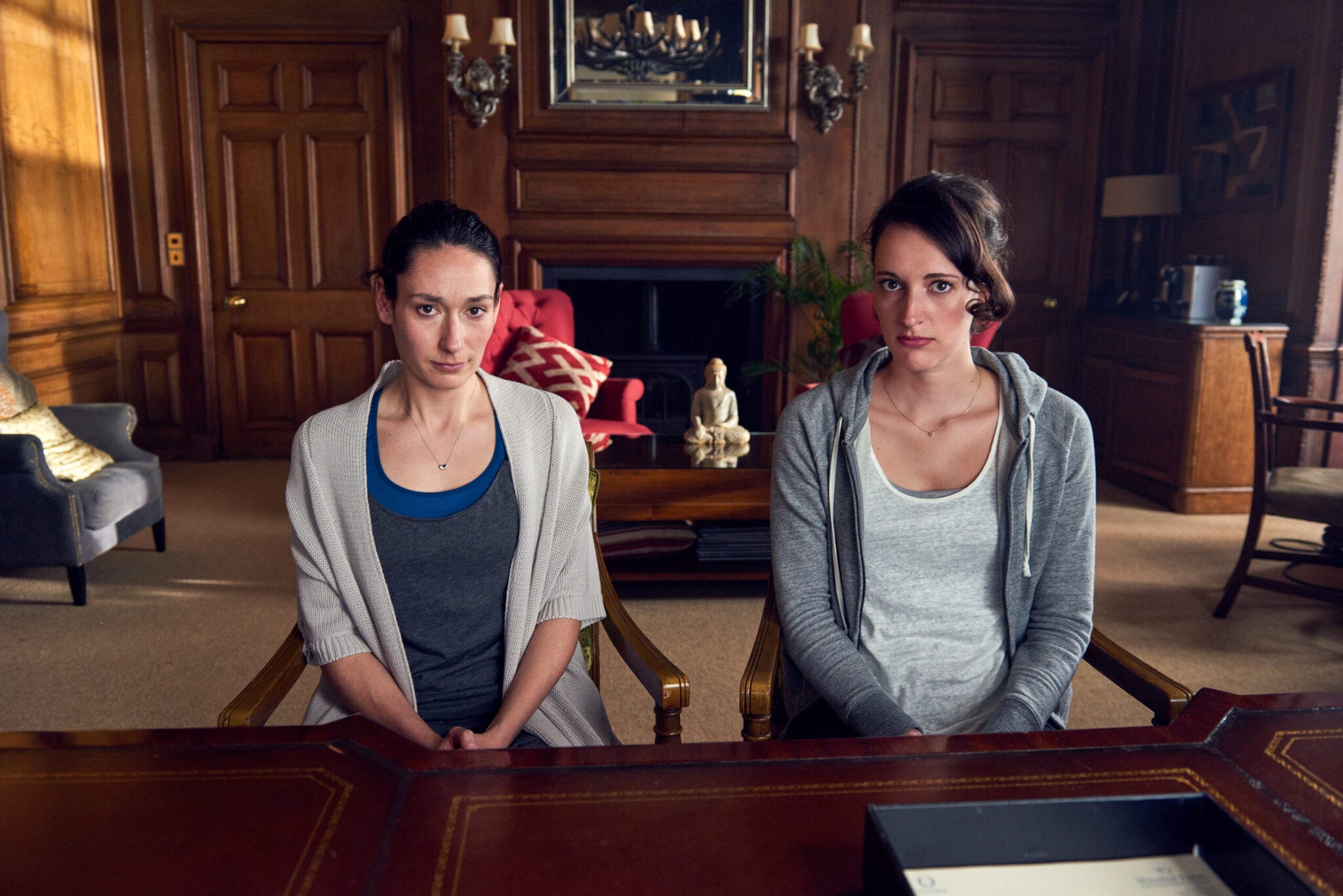
Fleabag (2016-2019), created by Phoebe Waller-Bridge
By Kara Headley
Fleabag is an intensely funny and humbling story of a young woman simply known as Fleabag (Phoebe Waller-Bridge), who is trying to discover who she is as she copes with the death of her best friend and deals with family drama. Fleabag has a strained relationship with her family, particularly with her sister, Claire (Sian Clifford). Fleabag and Claire are opposites: Claire is a hardworking businesswoman and committed wife to her unlikable husband, while Fleabag is a failing business owner who cannot form a stable romantic relationship. Despite their differences, the sisters are connected by their shared past and current family complications. Their mother passed away three years ago, and instead of dealing with the trauma as a family, their father (Bill Paterson) marries his daughter’s godmother (Olivia Colman) and gives them tickets to feminist lectures and weekend passes for wellness retreats, which neither sister wants to go to, though they participate out of obligation. While these gifts do nothing to help them heal as a family, they do bring the sisters closer together, even when they spend the majority of the time bickering. Fleabag is a reminder that, even when relationships are hard, the strongest ones are worth the pain, as pain has a way of bringing people together and helping us figure out who we are, and how we want our lives to evolve. Fleabag is available to stream on Amazon Prime Video.
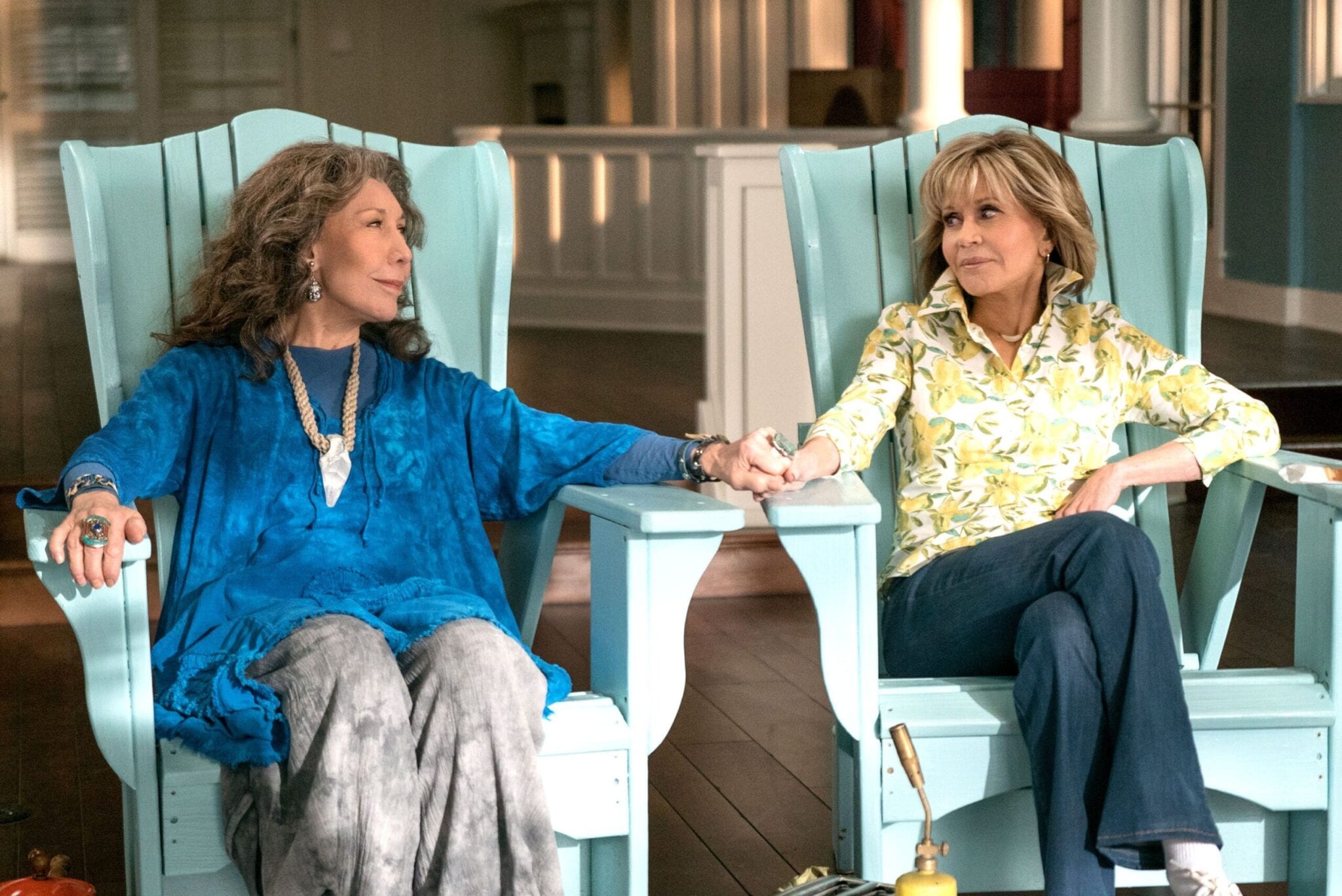
Grace and Frankie (2015-Present), created by Marta Kauffman and Howard J. Morris
By Allison Simpson
As we maneuver through our lives, we often endure life-changing hardships that can alter the world we once knew; however, it is who and what we gain from these hardships that genuinely matters. This message pervades the comedy Grace and Frankie, which follows the unlikely friendship of Grace Hanson (Jane Fonda), an uptight, retired businesswoman, and Frankie Bergstein (Lily Tomlin), a free-spirited hippie artist as they are brought together after their husbands confess their love for one another and divorce their wives to be with each other. Their mutual loss and hardship ignite an inseparable bond, leading them on a series of unpredictable adventures as together, they navigate new romance, business opportunities, health scares, and the occasional bit of friendship turmoil. The series focuses on the significance of friendship and its ability to positively impact all aspects of our lives. Through their relationship, the two friends display how even the most opposite of people can establish a unique, beautiful, and unbreakable bond when given the opportunity. There aren’t many shows that display how older women experience friendship (or any other aspect of their lives, really), but through Fonda and Tomlin’s performances we are reminded that friendship can be exciting and adventurous for all women—no matter how long they’ve been in this world. Grace and Frankie are, for me, the epitome of metaphorical sisterhood, promoting the importance of friendship to people of all-ages, everywhere. Grace and Frankie is available to stream on Netflix.
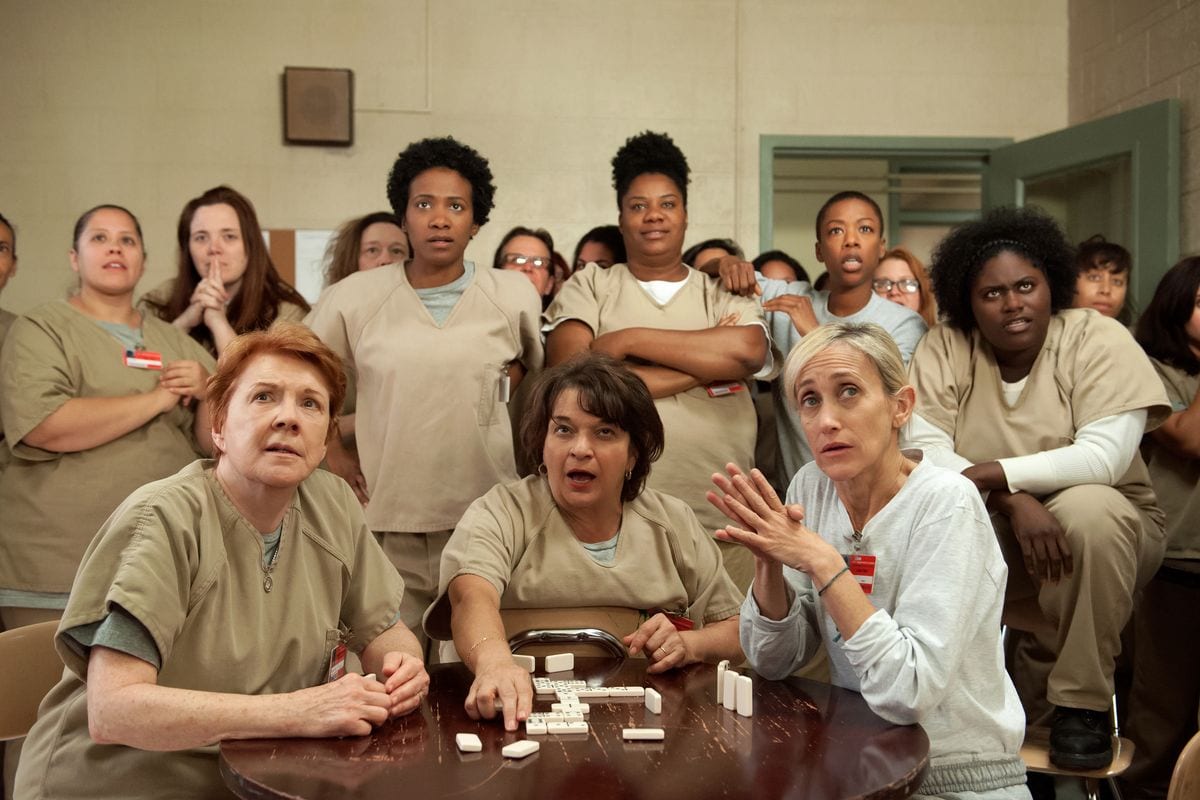
Orange is the New Black (2013–2019), created by Jenji Kohan
By Allison Simpson
This drama features a large, diverse group of incarcerated women stuck inside New York’s Litchfield Detention Center, enduring their daily life as prisoners. While they often find their days boring, they never find them lonely. Together they have fun, take care of one another, and support each other in countless ways. Whether it be Red (Kate Mulgrew) and Frieda (Dale Soules) trying to hide a dead body, Nicky (Natasha Lyonne) and Boo (Lea DeLaria) smuggling drugs, or Piper (Taylor Schilling) and Alex (Laura Prepon) running illegal businesses from the inside, there is never a scheme too big or complicated for the amazing friendships created within this series. Through this, each woman has built and maintained a variety of friendships that have turned into an unbreakable bond, ultimately forming the kind of sisterhood that allows them to lean on each other at all times. These women display that it is our best friends who have our backs when our biological family cannot be around to protect us. While our situations may be quite different from the women within this series, we are still reminded that, whether in prison or out living our lives as we wish, one of the best aspects of life is friendship, and it becomes even better when our friends become our family. Orange is the New Black is available to stream on Netflix.
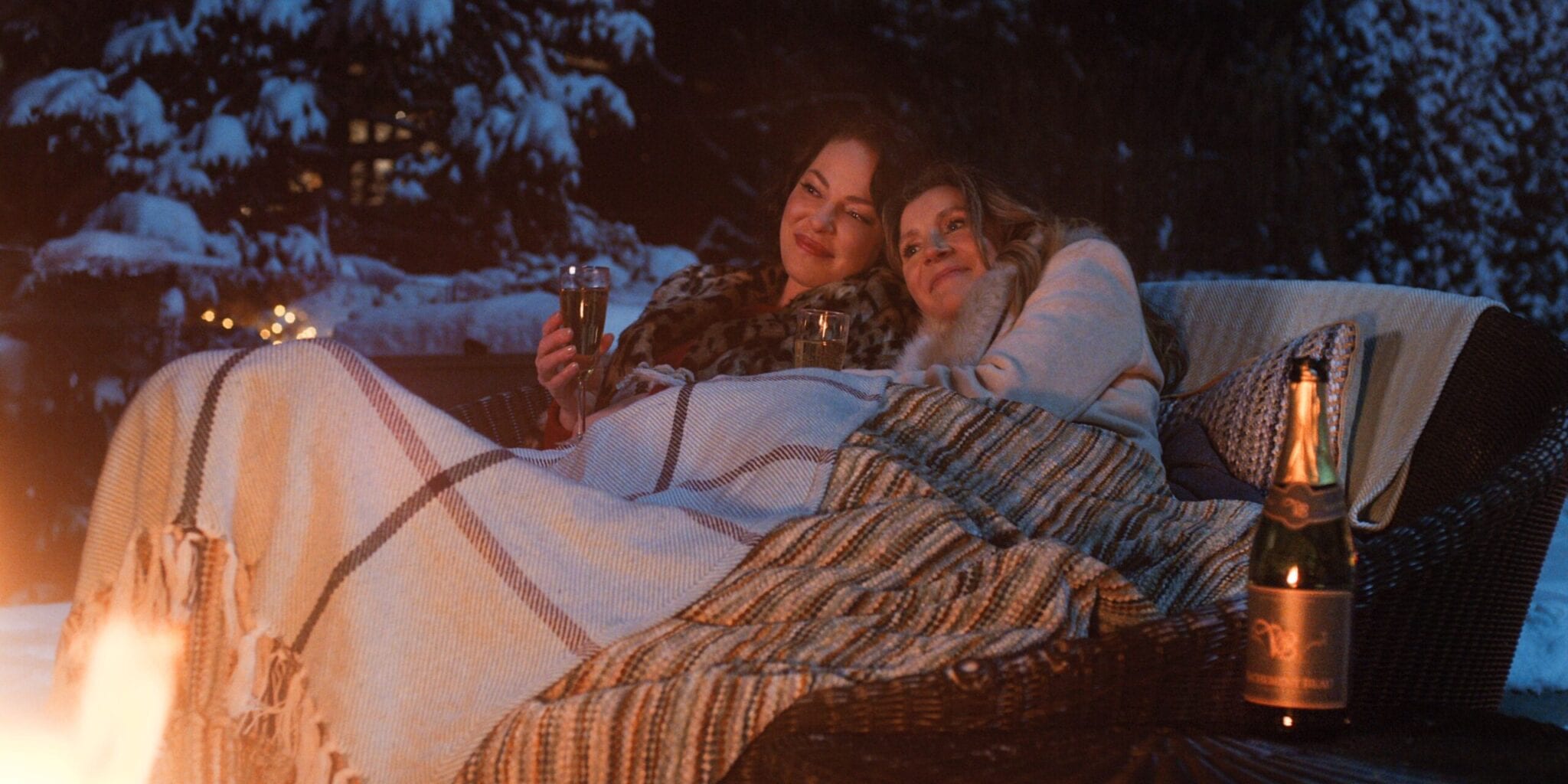
Firefly Lane (2021-Present), created by Maggie Friedman
By Allison Simpson
I am an only child, and while I’m not quite sure what it’s like to have a sister, I was gifted with a best friend who quickly showed me the wonderful power of sisterhood. I’m reminded of this bond I share with my best friend, Lizzie, as the sisterly friendship unfolds between the women of Firefly Lane. The show weaves through time, guiding us through Kate Mularkey (Sarah Chalke) and Tully Hart’s (Katherine Heigl) three-decade friendship as they, together, endure high school, college, and their adult life, all while dealing with issues involving romance, family, and their careers. During their younger years, the best friends are respectively played by Roan Curtis and Alissa Skovbye. Their characters find each other by accident after Tully moves in, being the new girl across the street from the Mularkey family. Kate is an awkward and reserved girl who finds herself unable to fit into her family’s conventional 1970s lifestyle. Tully, on the other hand, is pretty and popular, but uses her confidence to surround herself with things that conceal her complicated personal life. When the two meet they are exact opposites, but they are also exactly what the other needs to work through life. Their relationship teaches us that friendship is often unexpected, but when found it’s something to treasure; we gain the opportunity to learn things from our friends we may not have the chance to know on our own. The girls’ undeniable chemistry grows as the show progresses, and similar to me and my best friend Lizzie, Kate and Tully teach each other the importance of sisterhood, forming the kind of unbreakable bond that lasts a lifetime. Firefly Lane available to stream on Netflix.
- Anne with an E (2017-2019), created by Moira Walley-Beckett
- Baby (2018-2020), created by Eleonora Trucchi, Antonio Le Fosse, Giacomo Mazzariol, Marco Raspanti, and Romolo Re Salvador
- The Bold Type (2017-Present), created by Sarah Watson
- Charlie’s Angels (1976-1981), created by Ivan Goff and Ben Roberts
- Charmed (1998–2006), created by Constance M. Burge
- Crazy Ex-Girlfriend (2015-2019), created by Rachel Bloom and Aline Brosh McKenna
- Firefly (2002-2003), created by Joss Whedon
- The Fosters (2013–2018), created by Bradley Bredeweg and Peter Paige
- Friends (1994-2004), created by Marta Kauffman and David Crane
- Full House (1987–1995), created by Jeff Franklin
- Georgia and Ginny (2021-Present), created by Sarah Lampert
- Gilmore Girls (2000-2007), created by Amy Sherman-Palladino
- Good Trouble (2019-Present), created by Joanna Johnson, Bradley Bredeweg, and Peter Paige
- I Will Destroy You (2020-Present), created by Michaela Coel
- Insecure (2016-Present), created by Issa Rae and Larry Wilmore
- Jessica Jones (2015-2019), created by Melissa Rosenberg
- Legacies (2018-Present), created by Julie Plec
- The Marvelous Mrs. Maisel (2017-Present), created by Amy Sherman-Palladino
- Parks and Recreation (2009-2015), created by Greg Daniels and Michael Schur
- Punky Brewster (1984-1988), created by David W. Duclon
- The Queen’s Gambit (2020), created by Scott Frank and Allan Scott
- Sabrina the Teenage Witch (1996–2003), created by Jonathan Schmock and Nell Scovell
- Scandal (2012-2018), created by Shonda Rhimes
- Sex and the City (1998-2004), created by Darren Star
- Steven Universe (2013–2020), created by Rebecca Sugar
- Supergirl (2015-2021), created by Ali Adler, Greg Berlanti, Andrew Kreisberg
- Sweet Magnolias (2020-Present), created by Sheryl J. Anderson
- Warrior Nun (2020-Present), created by Simon Barry
- The Wilds (2020-Present), created by Sarah Streicher
- Zoey’s Extraordinary Playlist (2020-Present), created by Austin Winsberg
Documentaries
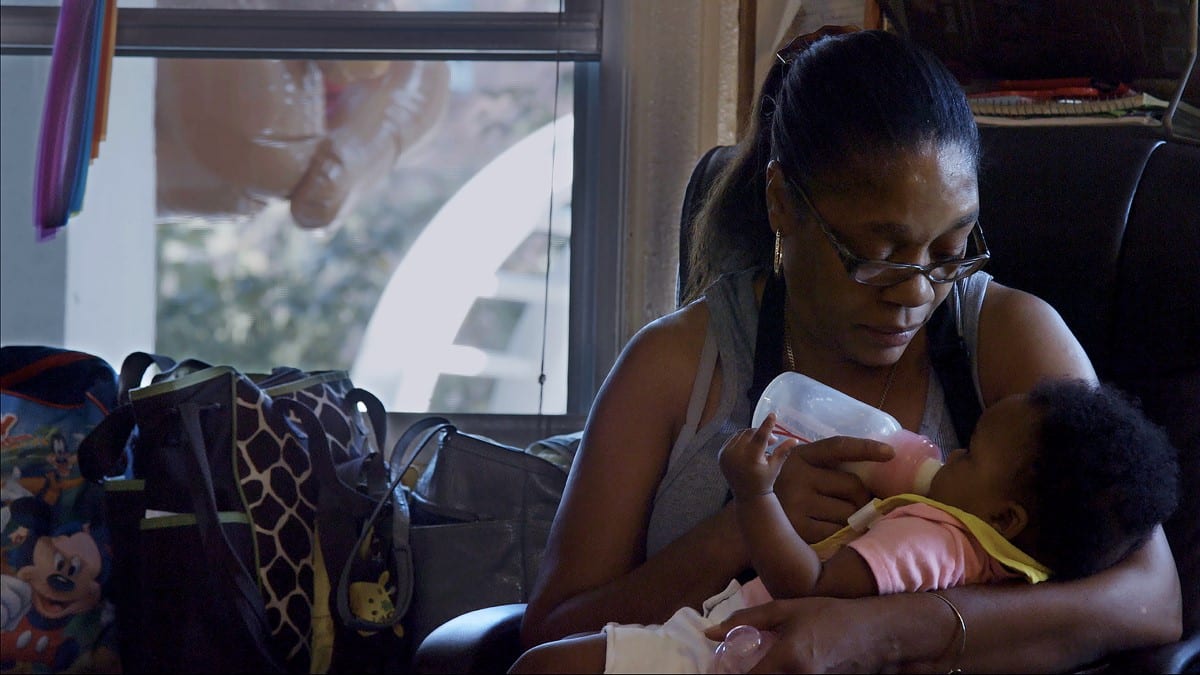
Through the Night (2016), dir. Loira Limbal
By Alexandra Hidalgo
Loira Limbal’s loving ode to those who take care of children while their impoverished American parents work unreasonable hours for meager pay is a tender story that is perfectly suited to our current debate over raising the minimum wage for the first time in twelve years. Limbal’s empathetic camera follows Deloris “Nunu” Hogan and her husband Patrick “Pop” as they run Dee’s Tots Daycare out of their home. They not only provide care to children during the day but also overnight for parents whose work does not allow them to be home while their children sleep. For the children, who are primarily Black and Latinx, Dee’s Tots is their second home, where the walls are decorated with countless photographs of their ever-evolving faces during their years at the daycare. Through writing lessons, dance parties, and planting vegetable gardens, Nunu and Pop provide the kind of love and warmth every child needs and every parent hopes to provide. We are as awed by Nunu’s ability to care for so many children as we are by her exhaustion as we realize that, because she allows every parent to bring their children when it fits their work schedule, she never gets a break from looking after her young charges, something that eventually takes a toll on her health. Her sense of connection and sisterhood toward the often-single mothers whose children thrive at Dee’s Tots prevents her from taking it slowly, even when her body demands that she do so. As she prepares holiday gifts for the children whose parents cannot afford them, so the parents can deliver them on Christmas morning, we wonder why it falls to this at-once-tireless-and-tired woman to look after them with such devotion. Why must these American children rely on her gestures of sisterhood towards over-extended parents when they live in the wealthiest country in the world? Yes, we are infinitely grateful that women like Nunu exist to raise our younger generations, but Through the Night reminds us just how much they and the children they look after could accomplish if the government gave them the tools they deserve to excel, so we can all be transformed by their brilliance. You can watch Through the Night at a virtual cinema showing, and will be streaming on the PBS Video App in May 2021.
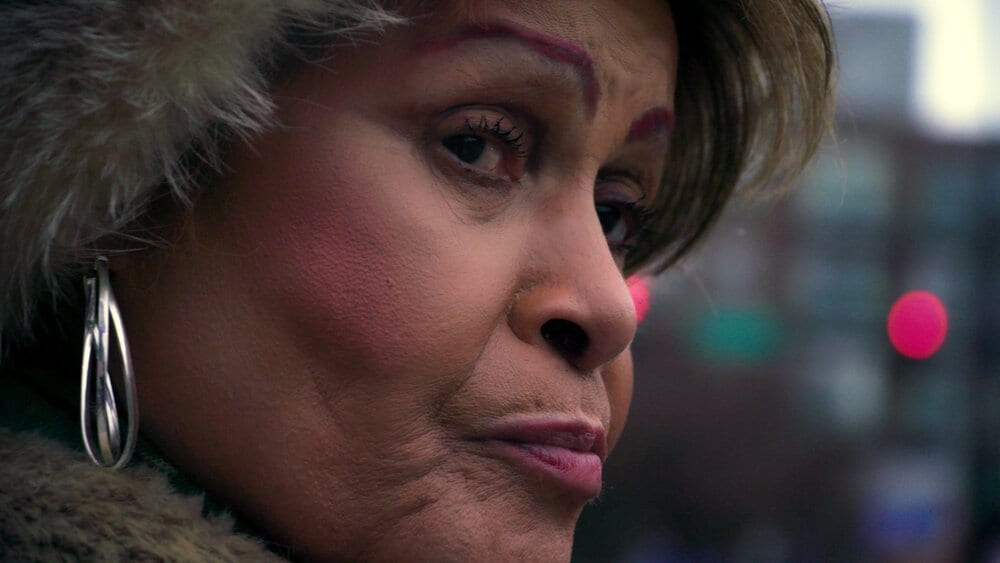
Mama Gloria (2020), dir. Luchina Fisher
By Alexandra Hidalgo
Directed with a nimble and passionate touch, Luchina Fisher’s Mama Gloria invites us into the world of Black transgender activist Gloria Allen, who for over seven decades has graced Chicago with her humor and spirit. By piecing together interviews with Gloria and scenes in which we see her interact with family, friends, and even old schoolmates, Fisher crafts a loving portrait of an infinitely admirable woman who has elegantly navigated transphobia and racism since she was a child and has turned some of her most painful experiences into a presence that, for decades, has inspired fellow queer people as they make their way through a world that refuses to accept them. Having grown up with a grandmother who made costumes for crossdressers, Gloria was poised to understand gender’s performative nature from an early age, and she used that knowledge to inspire her metaphorical sisters—younger trans women—to not only perform their womanness, but to do so with dignity and self-love through courses she taught in Chicago. Gloria is the older sister we all wish we had—luminous and self-assured, yet witty and ready to accept our missteps because she has spent her life processing her own and finding a way to love herself in spite of them. Fisher, who dedicates the film to her own Black trans daughter Gia, expertly captures the joy of coming into ourselves and building a community in a society that has decided we should perennially remain as outsiders. As long as activists like Gloria and filmmakers like Fisher grace our lives with their stories, the door toward a more just and open society will never close. Find screenings of Mama Gloria here.
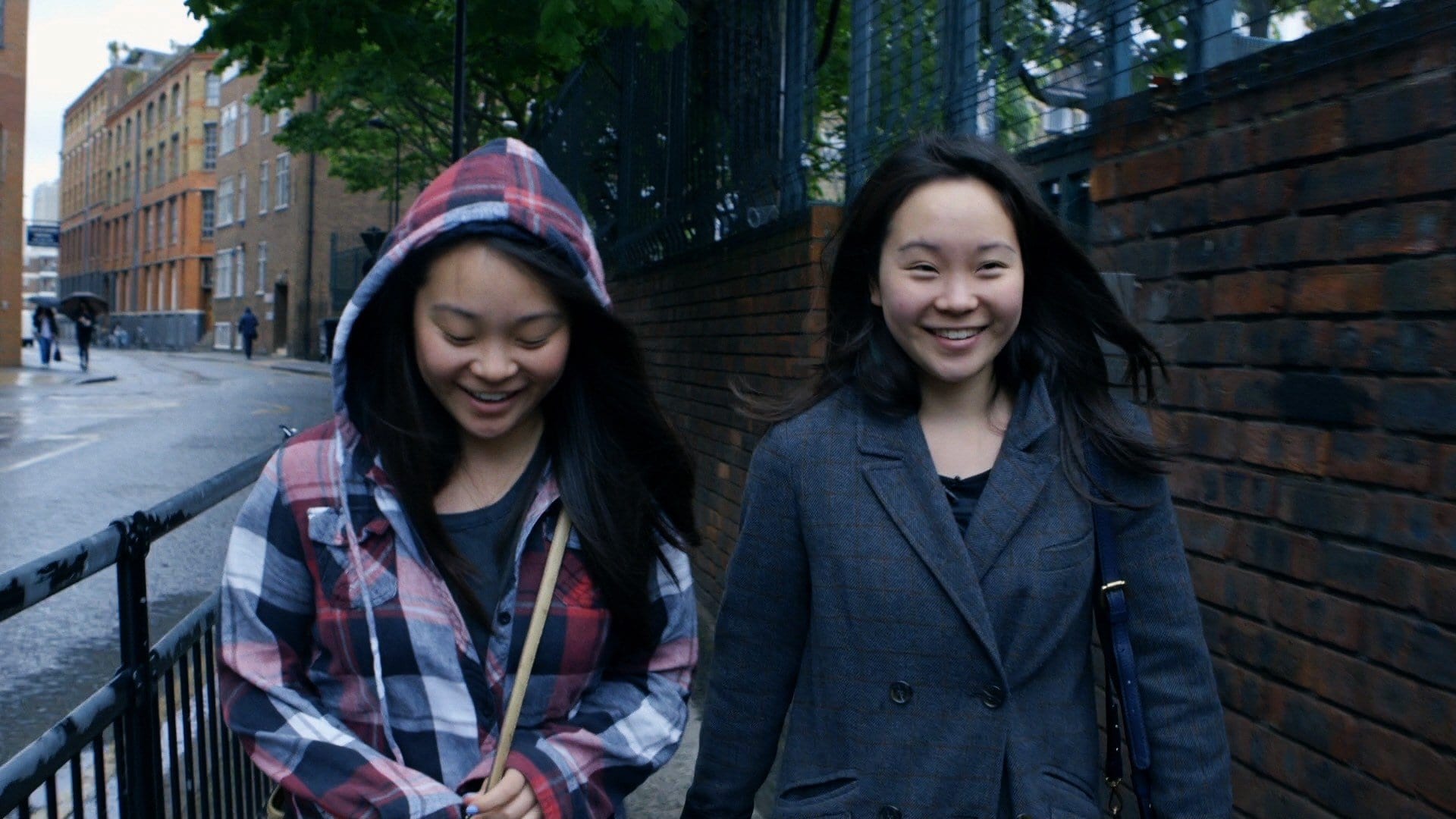
Twinsters (2015), dir. Samantha Futerman and Ryan Miyamoto
By Alexandra Hidalgo
Unless part of an open adoption, most adopted children wonder about their birth parents and how much they resemble the people they never met, but whose genes shape them. In Twinsters, California-based director Samantha Futerman, who was adopted from Korea and told she was a single child, must contend with a different question of genetic connection when she is contacted on Facebook by Anaïs Bordier, a French fashion student who looks remarkably like her. Samantha is an actor, and Anaïs’ friends saw one of her videos and were struck by how alike this young American looked to their French friend, causing Anaïs, also adopted from Korea, to wonder whether she had a long-lost twin sister living an ocean away. This tender love story between two strangers who grew up in different cultures but may share one of the deepest bonds any of us can have with another person is a celebration of how much our lives can change when we find something we had no idea we’d lost. As Samantha and Anaïs get together in London, California, and South Korea to solve the mystery of whether or not they are related to each other and if so, why they were separated in the first place, Twinsters reminds us that sisterhood at its strongest cannot be sundered by decades, continents, cultures, or secrets. As we all dream of emerging from the bewildering cloud of our existence during the pandemic, this is an ideal film to remind us that life is brimming with transformative surprises—if we’re willing to let them in. Very soon, we’ll be able to let the world in again, and we may find ourselves in an astonishing journey of self-discovery and connection like Samantha and Anaïs do. Until then, we’re immensely fortunate to tag along on theirs. You can buy or rent Twinsters on various platforms, including Amazon Prime Video, Apple TV, and YouTube. A list of screenings is available here.
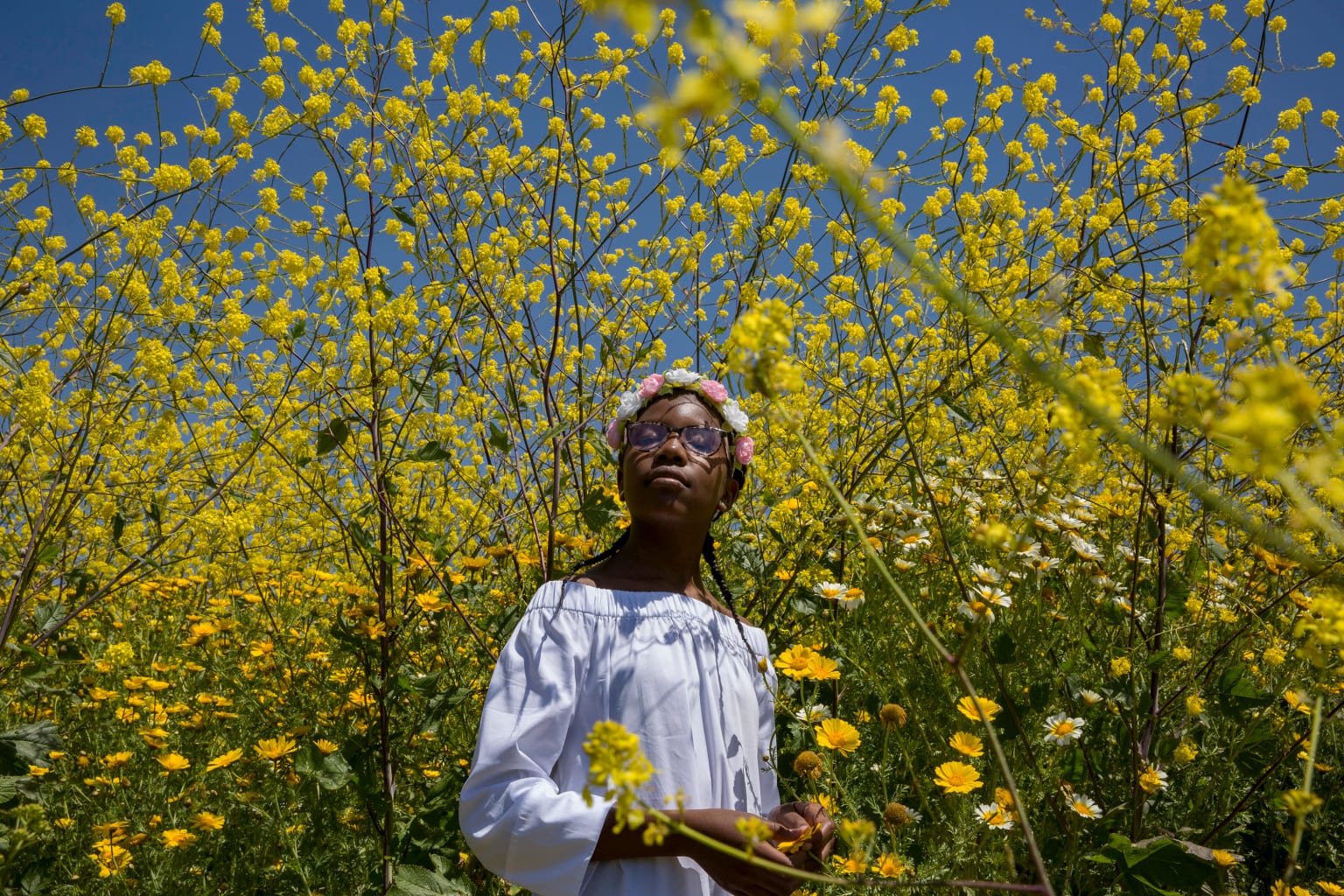
A Love Song for Latasha (2019), dir. Sophia Nahli Allison
By Kara Headley
A Love Song for Latasha is just that—a love song. In 1991, 15-year-old Latasha Harlins was shot and killed in a store while trying to buy orange juice. While her death would become a flashpoint for the 1992 L.A. riots, the life of this young girl would be mourned in private by those closest to her. Love Song looks at Latasha’s life—who she was, her relationships, her hopes and dreams—through the memories of her cousin, Shinese, and her best friend, Ty. The film focuses on these memories, and it employs recreations and animations of their childhoods to illustrate a past not caught on camera. Shinese and Ty talk about who Latasha was: a loving sister, friend, role model, protector. They describe her dreams to go to law school and use her voice to make a better world for young people of color like herself. Latasha is described as the “neighborhood big sister,” a well-liked child who wanted to transform her community when she grew up. Ty and Shinese introduce the audience to this loving and ambitious young girl, whom they loved as a sister. The love they feel for Latasha, even decades after her passing, illustrates the kind of sisterhood that can transcend death. Latasha still inspires and encourages her friend and cousin—not because of the tragedy of her death, but the joy of her short life. A Love Song for Latasha was nominated in 2021 for the Academy award for best short documentary and is available to stream on Netflix.
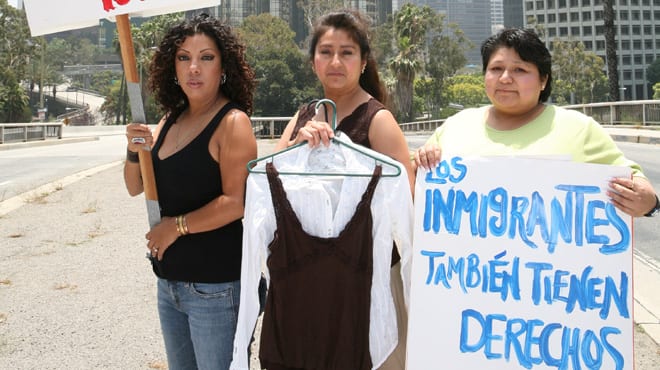
Made in L.A. (2007), dir. Almudena Carracedo
By Alexandra Hidalgo
I watched Almudena Carracedo’s Made in L.A. when I was about to make my first feature documentary, and I knew as the story unfolded that I’d found the model I wanted to emulate when it came to filming my own project, which told the stories of immigrant women living in New York City. Carracedo manages to create an intimate connection between her three protagonists and the audience by interviewing them at home, as they put on their makeup and cooked for their children, inviting us into their lives as if we were old friends they hadn’t seen in years. And these are definitely women we wish we could call friends. Lupe Hernandez, Maura Colorado, and María Pineda are three Latinx immigrants living in Los Angeles, working under deplorable conditions while sewing clothes for Forever 21, when they decide to come together and strike to demand better pay and treatment. The gamble is a big one, with most of the seamstresses being impoverished illegal immigrants and Forever 21 having seemingly endless funds to squash their activist rebellion. The women rely on each other as they risk everything to transform not only their own lives but the fashion industry, which has an entrenched history of relying on illegal immigrant labor and mistreating them with impunity. Some sisters enrich our childhoods with imagined worlds and secret games, while others enrich our society by fighting battles that change the world alongside us. Carracedo captures the latter with grit and generosity, reminding viewers how much women can accomplish when they stand up together and say “Enough.” Made in L.A. is available to buy or rent on YouTube, Amazon Prime Video, and iTunes.
- A Healthy Baby Girl (1997), dir. Judith Helfand
- Athlete A (2020), dir. Bonni Cohen and Jon Shenk
- Elena (2012), dir. Petra Costa
- Equal Means Equal (2016), dir. Kamala Lopez
- The Gleaners & I (2000), dir. Agnès Varda
- He Named Me Malala (2015), dir. Davis Guggenheim
- Hot Girls Wanted (2015), dir. Jill Bauer and Ronna Gradus
- Sands of Silence (2016), dir. Chelo Alvarez-Stehle
- The Hunting Ground (2015), dir. Kirby Dick
- Unveiled: The Mother/Daughter Relationship (1997), dir. Maureen Judge
What are you watching this Women’s History Month? Be sure to tweet us @agnesfilms! You can learn more about Mimi, Kara, Alexandra, and Allison on their profiles.