Interview with Elena Rossini, Director of The Illusionists
Interview by Mimi Anagli
Copy Edited and Posted by Iliana Cosme-Brooks
When and how did your passion for filmmaking begin?
I’ve been drawn to filmmaking since my early 20s because it’s a discipline that brings together my main passions: writing, photography, and editing. From my days in film school to now, I truly love being involved in every aspect of filmmaking, from writing to directing, filming, and editing. I’ve worked for other filmmakers doing just one of those things—say, as a cinematographer or editor—but I truly prefer being involved in all stages of a film.
I have seen time and time again how films can change hearts and minds; the persuasive power of the moving image is something I am really drawn to—being a filmmaker, as hard as it is, is truly my dream job. I’m thinking about the work of documentary filmmakers who are also activists, determined to expose social justice issues and speak truth to power. Michael Moore’s entire opus or Morgan Spurlock’s Super Size Me had a profound impact on my views.
I feel incredibly lucky to still be in this field so many years after film school. Most of my classmates have moved on to careers in completely different fields. I know what I’m doing is a privilege and I don’t take a single day for granted.
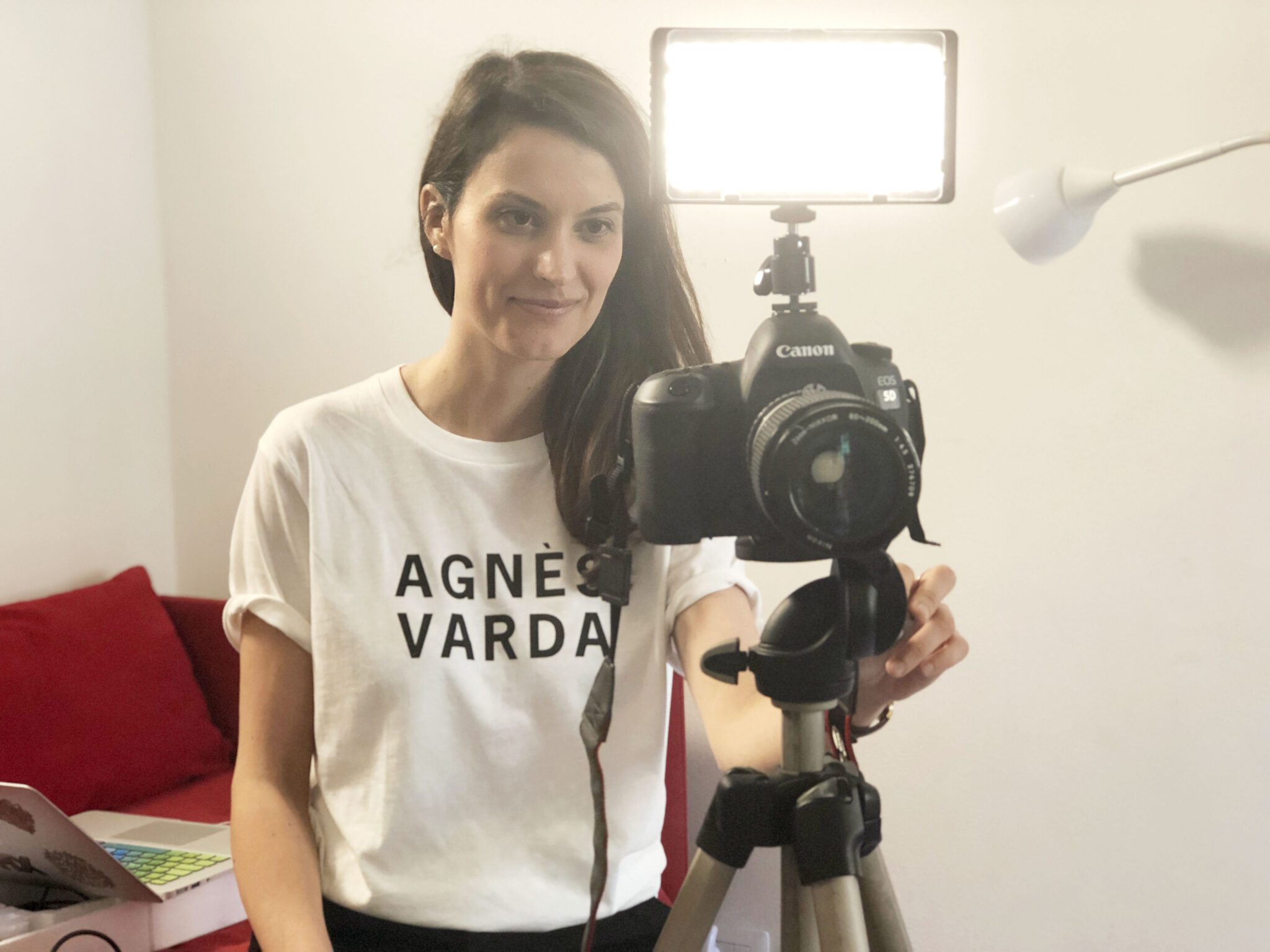
Most of your work is in the documentary and corporate realms. Do you ever plan to explore fiction filmmaking?
Real stories—with real life protagonists—hit me in a more visceral way than fiction. I also feel freer as a filmmaker when I work on documentaries; I am able to plainly expose my views, with tools like voice-over narration for example, and explore subjects in a deeper, more nuanced, and sophisticated way. For example, in my documentary The Illusionists, I was able to tackle a wide variety of subjects related to media manipulation and advertising, talking about how the pursuit of ideal beauty affects people all over the world; I conducted interviews in eight countries, across four continents. I would not have been able to address as many topics in a fiction film.
In film school I actually chose narrative filmmaking as a specialization and I even made a feature narrative film as my final thesis. I would watch so many fiction films back then, but I was drawn to styles that mimicked documentary filmmaking—my favorites were Italian neorealism and the Dogme movement. I liked the simplicity of the mise-en-scène and real-life qualities. Then, upon graduation from film school, I dived right into documentaries. I simply found them to be the ideal medium to address social issues and advocate for change.
Like many of our readers, you are a big fan of Agnès Varda and her work. What is your favorite Varda film and why?
A big fan indeed. Agnès Varda is my ultimate role model, and I’m in awe of her talents across multiple fields. She was so prolific and such a positive creative force.
My favorite fiction film by Varda is the first one I saw by her: Cléo de 5 à 7. The use of real time as a framing device was brilliant and made it incredibly engaging. It’s also indirectly an ode to the quirkiness of Paris and its Left Bank. For many years I lived next to the hospital featured in the final scene of the film and so not a day went by that I didn’t think of Varda or Cléo.
My favorite documentary by Varda is Les Plages d’Agnès—an inspiring, intimate look into the life of the artist. I feel every aspiring creative should watch it. There are so many memorable scenes from the film, but I suppose my favorite is how she transformed the street she lived on, rue Daguerre, into a beach, with her CinéTamaris team playfully pretending to be on holiday, wearing swimsuits while working at their phones or typing away at their computer. It speaks volumes about the wonderful relationship Varda fostered with people working with her. And the scene is so light, surrealist, and playful—signature Varda.
My favorite art exhibit by Varda is L’Ile et Elle, held at the Cartier Foundation in 2006, in which she celebrated the island of Noirmoutier and its inhabitants. At its vernissage, I had the opportunity to briefly meet Varda, and a signed copy of the book about the exhibit is one of my most cherished possessions.
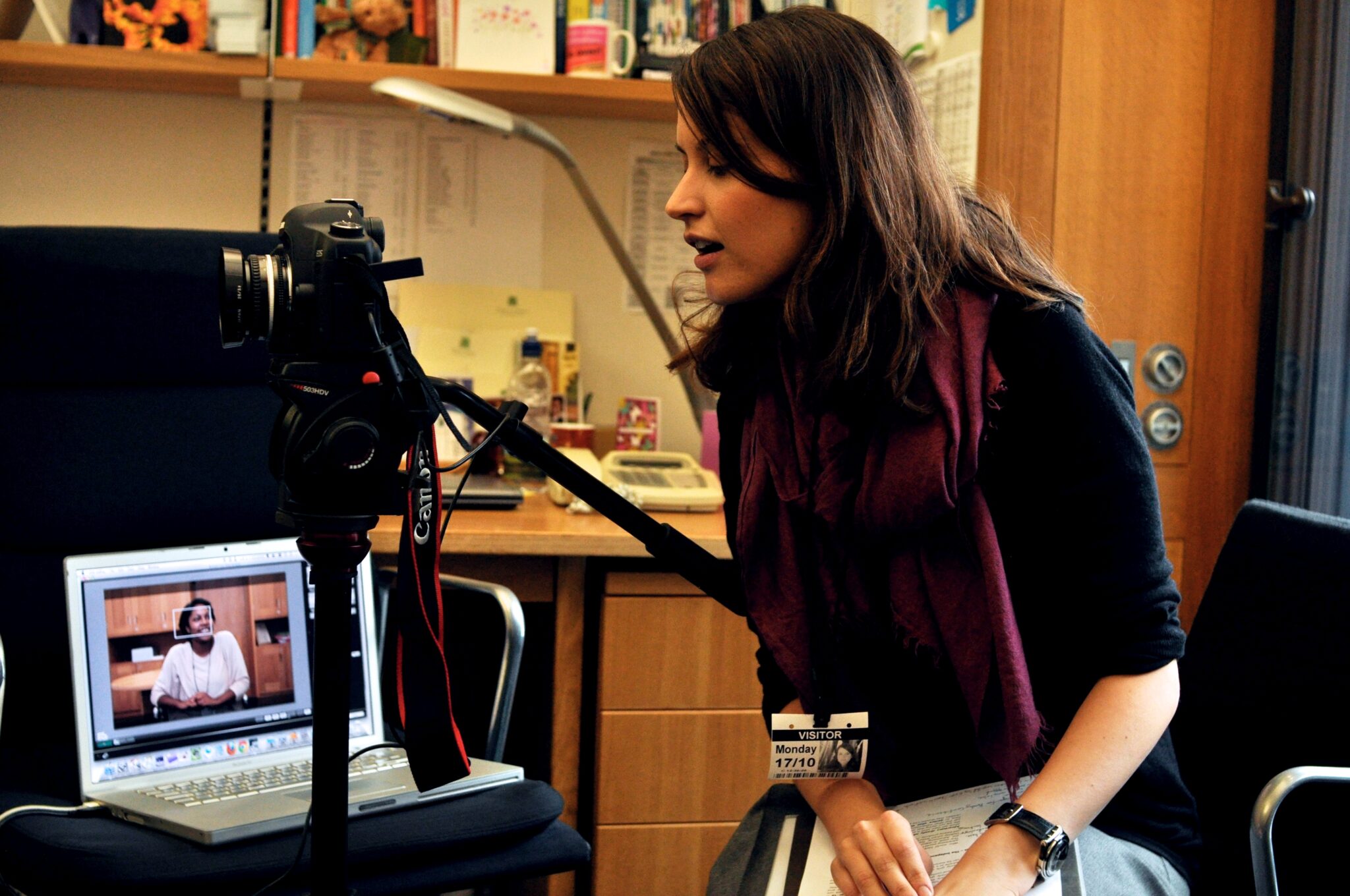
Your documentary The Illusionists centers around how the media has universalized unrealistic white/western beauty standards and promoted harmful means for women to achieve those standards. What inspired you to highlight this subject?
The initial spark of inspiration for The Illusionists came from a quote by Ambrose Bierce: “To men a man is but a mind. Who cares what face he carries or what form he wears? But a woman’s body is the woman.” The truthfulness and unfairness of this made me angry. And I’ve always found it useful to channel my frustrations into creative projects. Thus, The Illusionists was born. There were—and still are—so many women in my life, across generations, who feel the pressures of unrealistic beauty ideals and suffer from them. It’s a truly universal issue, across cultures and nationalities. My ultimate goal with The Illusionists was to expose how many industries profit from insecurities around body image and aging, with the hope of empowering people and arming them with information to counteract toxic media messages.
The biggest compliment I received after a screening of the film actually came from a young man. He wrote to me weeks after seeing my documentary and said, “Now every time I see a billboard ad I immediately think of your documentary; ads don’t have the same effect on me anymore.”
I particularly love how The Illusionists sheds light on male beauty standards as well. Can you talk more about what role men’s voices have in this issue and feminism in general?
It was key for me to make men feel included in the conversation. That’s why I also had a man as the voice-over narrator for The Illusionists. First of all, they are the next target of the beauty industry. And, more importantly, we need men as allies.
As romantic partners, fathers, grandfathers, and brothers, men must understand the toxic effects of the beauty myth, so they can better support us.
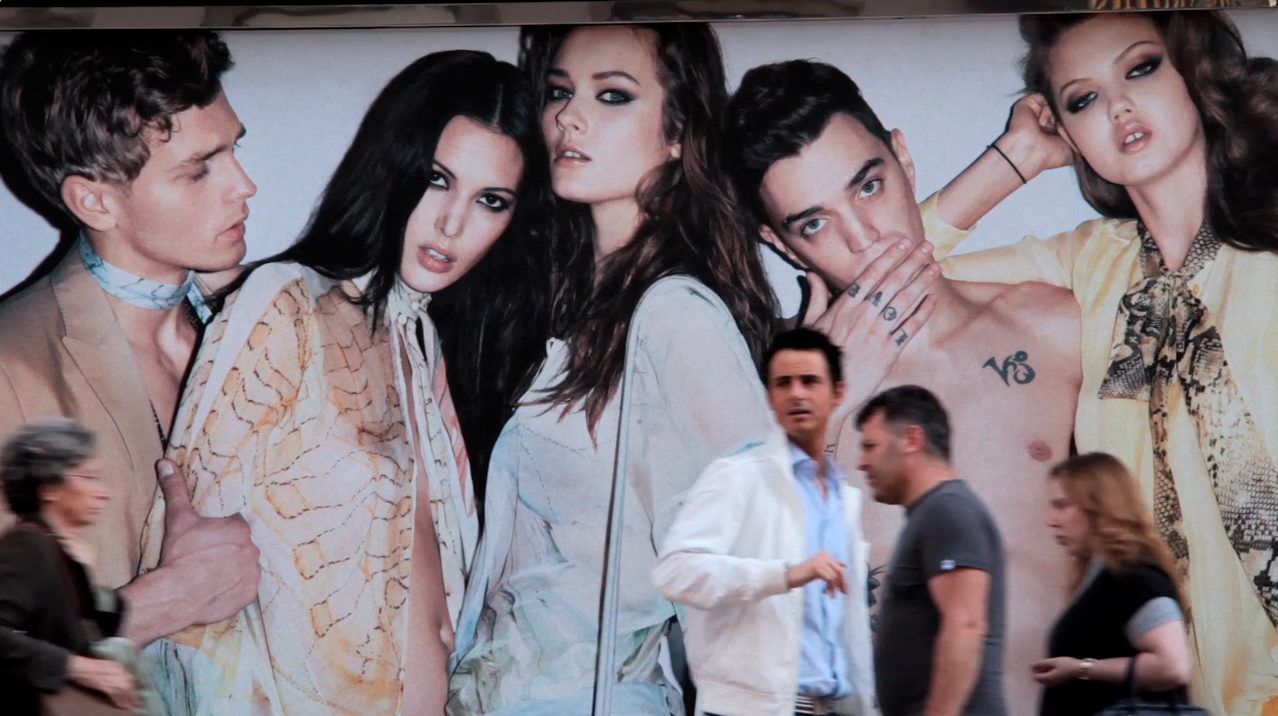
Do you think you would ever insert yourself into your documentaries in the way Varda did?
I’ve always wanted to let my documentaries speak for themselves, to make them as diverse and inclusive as possible, so everyone could identify with the issues and stories, like I did for The Illusionists. I made a conscious decision not to appear in the film, so every viewer could identify with the issues discussed and not see them through the prism of a Cis-white-30-something middle-class woman of my body type. Throughout my entire documentary work, I have always been “invisible,” never appearing on camera. But motherhood may have changed that.
Most of my new creative ideas—from documentaries to photography projects—involve me appearing in front of the lens. It’s a really novel thing that I am still uncomfortable about, but it’s something I want to try out.
This started when I was pregnant last year. Maybe subconsciously I want my daughter to get to know the present me through my creative projects and to actually see me in them. Right now, she’s only eight months old, and she won’t remember our present life. She’s still so little. I want to take advantage of photography and film to somewhat stop time and crystallize these moments while also making a statement about motherhood and this experience from a feminist lens.
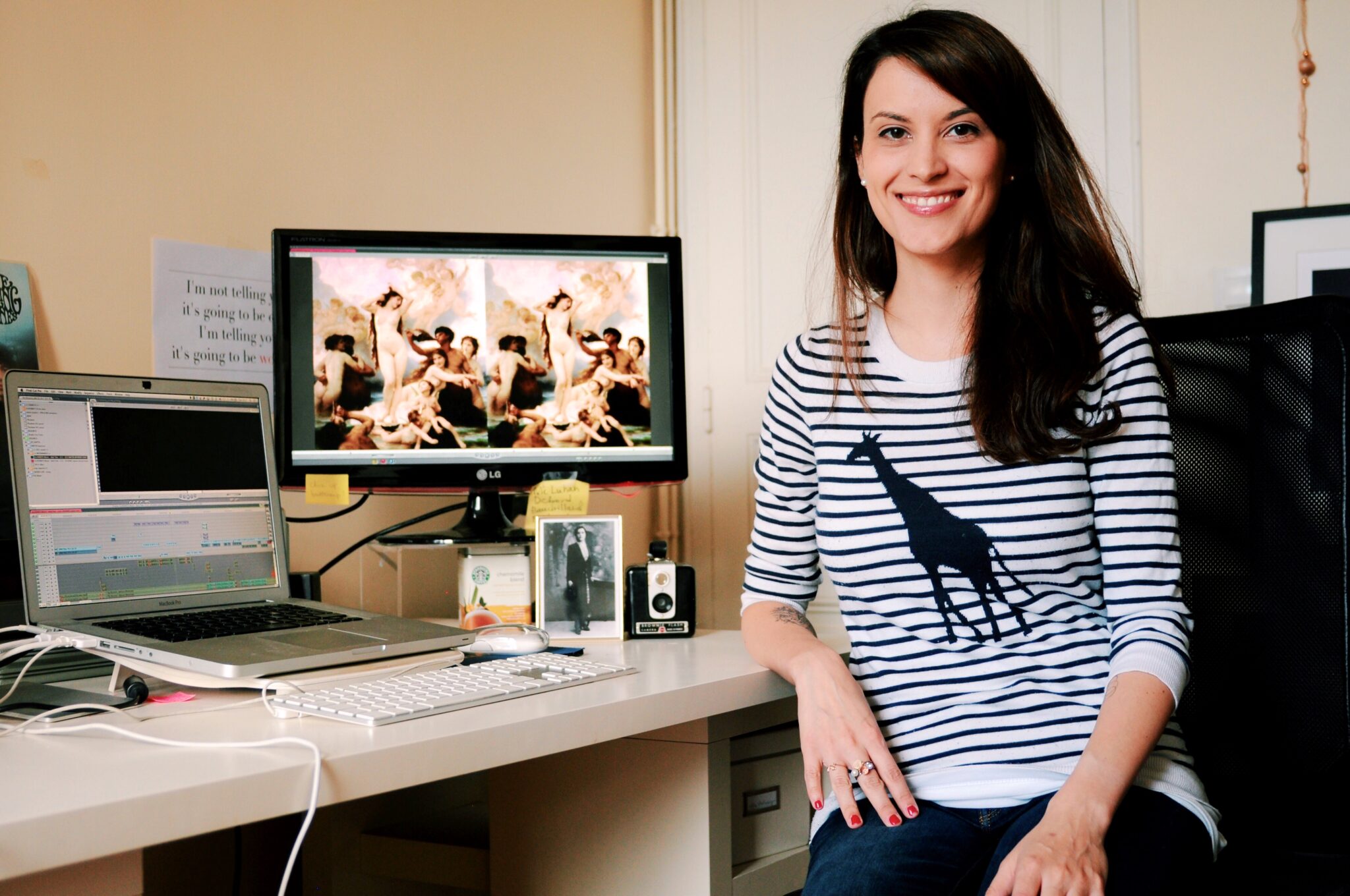
What projects are you working on right now, and what is particularly exciting for you about them?
There has been so much progress in the film industry in the past five years, with more women working behind the camera and winning accolades and prestigious awards in various fields that used to be male dominated. 2021 has been a banner year for female directors being recognized for their talent: Chloé Zhao won the Best Director Academy Award for Nomadland, Julia Ducournau won the Palm D’Or at Cannes for Titane, and Audrey Diwan won Venice’s Golden Lion for Happening. All of this makes me hopeful. That said, there is still a long way to go.
My latest (short) documentary project, “The Power of Visibility,” addresses this issue. I made it in collaboration with Mimi, my interviewer and agnès films staff writer, and I cannot wait for its release this fall. It shows the power of tech companies in improving the representation of women in film.
You can connect with Elena through her website and Twitter. Connect with Mimi by visiting her profile.